
Nepal Establishes Ministry for Gender and Sexual Minorities
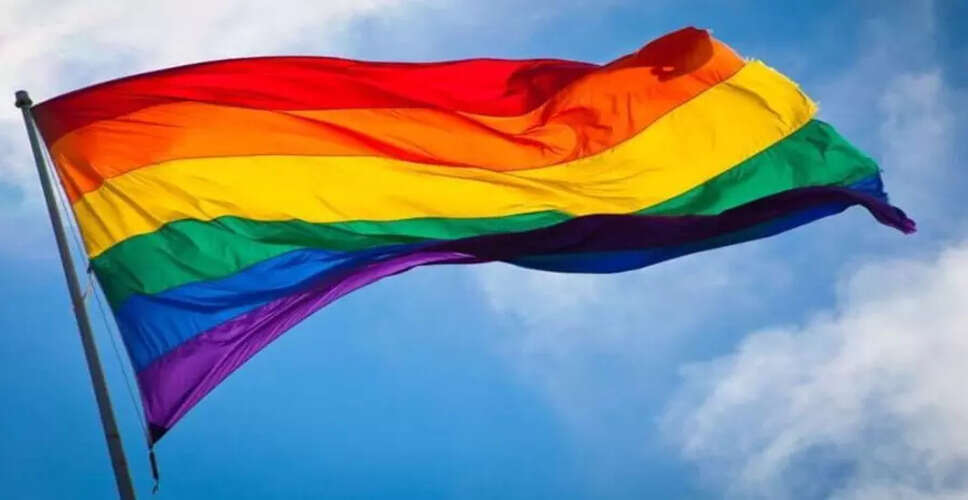

Historic Move for Gender and Sexual Minorities in Nepal
Representational Image
Kathmandu, May 16: In a groundbreaking development, Nepal has created a ministry dedicated to recognizing sexual minorities, marking a significant step towards progressive policies for the Lesbian, Gay, Bisexual, Transgender, Intersex, and Queer (LGBTIQ) community.
The newly formed government, under Prime Minister Balendra Shah, has incorporated 'Gender and Sexual Minorities' into the title and responsibilities of a ministry during its recent administrative overhaul.
As per the Government of Nepal (Allocation of Business) Regulations, 2026, the Ministry of Women, Children, Gender and Sexual Minorities and Social Security has been established.
This ministry will focus on the protection, empowerment, and development of gender and sexual minority groups, alongside Dalits and other marginalized communities, as outlined in the regulations.
The restructuring was based on a committee's recommendations led by Govinda Bahadur Karki, Secretary at the Office of the Prime Minister and Council of Ministers.
Additionally, the total number of ministries has been reduced from 21 to 18 in accordance with the committee's suggestions.
The decision has been met with enthusiasm from the LGBTIQ community, which has expressed its approval of this initiative.
"This is a historic and long-awaited milestone for Nepal's gender and sexual minority communities. It reflects the government's recognition of the rights, dignity, and inclusion of gender and sexual minorities within the national governance framework," stated the Blue Diamond Society.
"We celebrate this important achievement and are encouraged to see our issues formally recognized within a government ministry's name and mandate. This marks an important step toward meaningful inclusion," they added.
The group also acknowledged the contributions of Bhumika Shrestha, a lawmaker advocating for the sexual minority community, for her role in pushing for the ministry's formation.
Nepal is recognized as one of the most progressive nations in South Asia regarding the rights of sexual minorities. Article 18 of the Constitution prohibits discrimination on various grounds, including sex. Furthermore, Article 42 (Right to Social Justice) ensures that sexual and gender minorities can participate in state affairs based on inclusion principles.
Following a landmark ruling by the Supreme Court in 2007, Nepal legally acknowledges a "third gender" category, allowing for citizenship certificates and passports to be issued under this classification.
In June 2023, the Supreme Court also directed the government to provisionally register same-sex and non-traditional marriages while awaiting a final constitutional interpretation.
According to the 2021 national census, there are 2,928 individuals identifying as sexual and gender minorities in Nepal, representing approximately 0.01 percent of the total population. However, activists argue that this number is likely underreported due to the census's limited options, which primarily included a single "others" category.