
Nepal Demands Climate Justice Following Devastating Floods

Nepal's Shift from Relief to Climate Justice
In the aftermath of catastrophic flooding, Nepal is transitioning from immediate relief efforts to advocating for climate justice. The nation has called upon major greenhouse gas emitters, including India, China, and the USA, to provide compensation for the climate-related damages it has suffered. Nepal asserts that its contribution to global greenhouse gas emissions is minimal, yet it faces severe consequences from global warming and rapidly melting glaciers.
A Moral Responsibility, Not Charity
Nepal's Foreign Minister, Shishir Khanal, emphasized that the assistance received post-flood should not be viewed merely as charity. Instead, Nepal perceives it as a ‘moral liability’. He stated that the country is evolving its diplomatic approach from merely seeking aid to demanding justice and compensation.
Why Target India, China, and the USA?
Nepal has identified India, China, and the USA as leading greenhouse gas emitters, arguing that the historical emissions and climate change necessitate that these larger nations compensate vulnerable countries for the damages incurred. However, this claim does not imply that the recent flooding was directly caused by emissions from any single country.
Seeking Support from the UN's Loss and Damage Fund
Nepal has also requested immediate financial assistance from the United Nations-supported Fund for Responding to Loss and Damage. This fund is designed to aid vulnerable countries in addressing losses and damages that cannot be mitigated through adaptation measures alone.
The Flood's Impact on Nepal
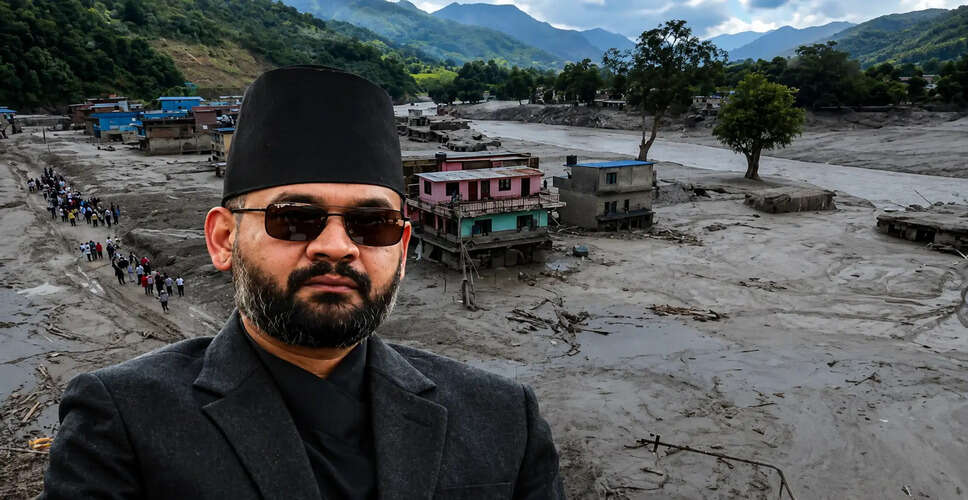
The devastating flood that struck the Bhotekoshi River region on August 26 has severely affected numerous areas in Nepal. Reports indicate that over 1,100 lives have been lost, with thousands still unaccounted for. The disaster has caused extensive damage to roads, bridges, and hydroelectric projects.
Is Climate Change the Cause of the Flood?
Experts suggest that the Himalayas are warming rapidly, increasing the risk of sudden floods and other disasters due to glacier melting and instability. In the recent tragedy, significant glacier and rock movement reportedly led to a sudden surge of water.
What Lies Ahead?
Nepal's stance may spark significant discussions in international climate politics. While low-emission countries like Nepal are bearing the brunt of climate disasters, major emitters face critical questions about how to determine and manage responsibility for climate-related damages.
Nepal's Clear Demands
Currently, Nepal has made its position clear—it seeks not just relief or donations, but a structured approach to justice and compensation for climate damages.