
NCLT Halts Subhash Chandra's Bankruptcy Settlement Plan
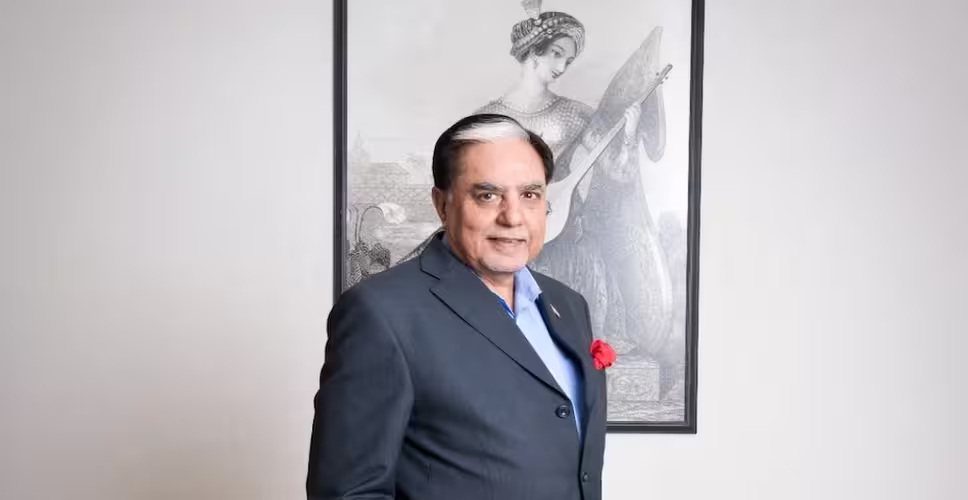

Significant Ruling by NCLT
New Delhi. The National Company Law Tribunal (NCLT) has made a pivotal decision regarding the personal bankruptcy case of Subhash Chandra, the founder and chairman of Essel Group and Zee Media Group. On Tuesday, the NCLT's special bench imposed a stay on the previous order from August 25, which had allowed Chandra to settle claims amounting to approximately ₹22,006 crores by paying only around ₹6.25 to ₹6.5 crores. Furthermore, the tribunal explicitly instructed that he cannot transfer or sell any of his assets, either directly or indirectly, as a guarantor.
Background of the Disputed Order
The earlier ruling permitted Subhash Chandra to pay a mere ₹6.25 crores to creditors and ₹25 lakhs as procedural costs to settle claims totaling ₹22,006.57 crores. This meant creditors would recover only about 0.03 percent of their claims, resulting in a staggering haircut of nearly 99.97 percent.
Reason for the Stay
The special bench of the NCLT noted that there were disagreements among the previous bench members, leading to a lack of clear majority. Consequently, they deemed it inappropriate to enforce the earlier order. The bench has instructed Subhash Chandra to refrain from selling, transferring, or otherwise disposing of any of his properties until the case is resolved.
Context of the Case
This case began in 2022 when Indiabulls Housing Finance initiated personal bankruptcy proceedings against Subhash Chandra. Subsequently, several other creditors joined the case. The process faced delays due to an interim order from the Supreme Court. A divided decision from a two-member bench in 2025 led to the inclusion of a third member, who approved the plan in August 2026. Now, due to ongoing disagreements, the case is being heard by a five-member special bench.
What Lies Ahead?
Following the NCLT's recent ruling, the case has gained renewed attention. This decision is a relief for opposing banks and financial institutions, as the previously low payment plan will not be implemented. It remains to be seen what steps Subhash Chandra will take next. The tribunal has issued notices to all parties involved, initiating the process for further hearings.
This case has reignited discussions surrounding significant haircuts in bankruptcy cases involving personal guarantors and the rights of creditors. The final decision from the special bench will be crucial in determining whether Subhash Chandra receives any relief or if creditors will have a better chance of recovery.