
Nationwide Recall of Trader Joe's Frozen Foods Due to Glass Contamination
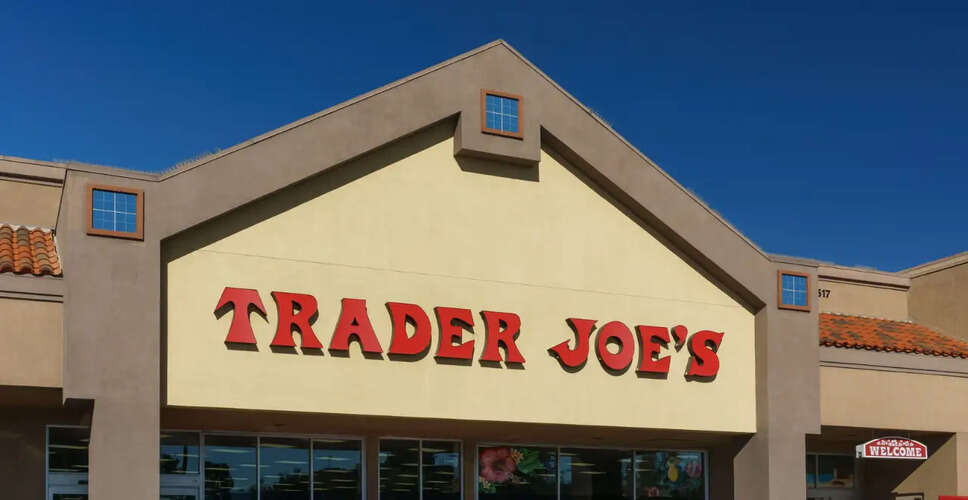
Nationwide Recall of Trader Joe's Frozen Foods
A significant recall affecting Trader Joe's products has been announced, impacting nearly 10 million pounds of frozen food due to potential glass contamination. The US Food and Drug Administration reported that Ajimoto Foods North America Inc. has recalled approximately 9,885,240 pounds of Trader Joe’s Vegetable Fried Rice after small glass shards were discovered in the one-pound packages. These shards were noted to be between 1 to 3 centimeters long and 2 to 4 millimeters wide.
Details on Affected Products and States
The recalled Trader Joe’s Vegetable Fried Rice was distributed across 43 states, with best-by dates ranging from February 28, 2026, to November 19, 2026. The only states not affected by this recall are Hawaii, Maine, New Mexico, South Dakota, Vermont, West Virginia, and Iowa. Additionally, the recall includes other items such as Trader Joe’s Chicken Shu Mai (chicken and vegetable dumplings served with soy sauce) and Trader Joe’s Chicken Fried Rice, which consists of stir-fried rice, vegetables, eggs, and seasoned dark meat chicken. These products have best-by dates from February 28, 2026, to August 19, 2027.
For a complete list of the affected products, you can check here. The contamination issue has been traced back to a vegetable ingredient, with carrots being identified as the probable source.
The recall was first announced on February 19 and was expanded on March 3, with further additions to the list of affected products. Health officials have cautioned that some of these items may still be in consumers’ freezers. Although no injuries have been reported, the FDA recommends that anyone with concerns consult a healthcare professional. Customers are advised not to consume the recalled products and to either discard them or return them to the store for a refund.