
Nationwide Recall of Blood Pressure Medication by FDA Due to Efficacy Concerns
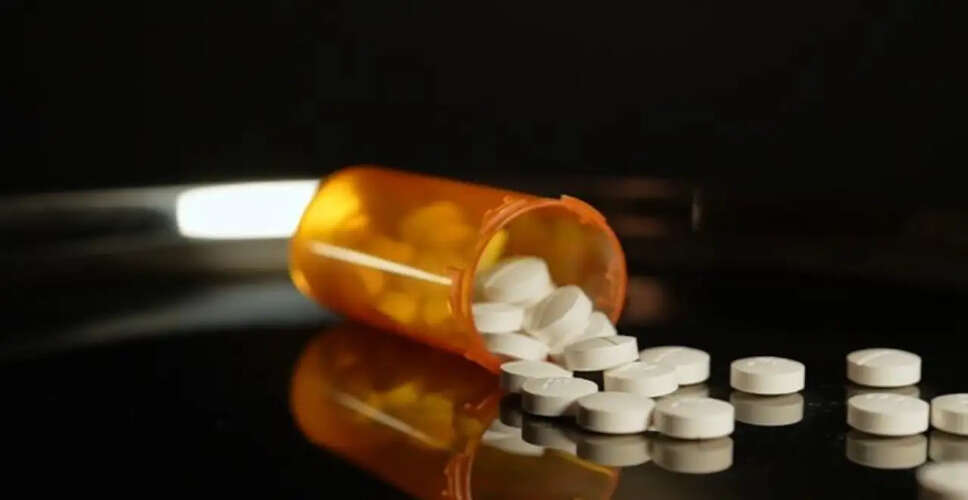

FDA Issues Recall for Chlorthalidone Tablets
The Food and Drug Administration (FDA) of the United States has initiated a recall of over 11,000 bottles of a blood pressure medication after it was discovered that the drug might not function as intended. This recall specifically targets 11,460 bottles of Chlorthalidone Tablets USP, 25 mg, which are frequently prescribed for managing high blood pressure.
According to the FDA's announcement, the product did not meet the necessary dissolution standards, raising alarms that patients might not receive the correct dosage or therapeutic benefits from the medication. Dissolution testing evaluates how well a drug dissolves and releases its active components after ingestion. A failure in these tests could lead to inadequate control of the medical condition it is designed to treat.
Chlorthalidone is commonly utilized to treat hypertension, a condition that elevates arterial pressure and can increase the likelihood of heart disease, stroke, and other cardiovascular issues.
Details of the Recalled Lots
The FDA has specified the lot numbers involved in the nationwide recall of Chlorthalidone Tablets USP, 25 mg, which was prompted by the medication's failure to meet dissolution criteria, potentially rendering it less effective than expected. The recall encompasses the following lots:
- RISA24001 (100-count bottles)
- RISB24002 (1,000-count bottles)
Both lots are implicated in the quality issue that led to the recall, with an expiration date set for April 2027. The medication was produced by Inventia Healthcare Limited in India and distributed in the U.S. by Rising Pharma Holdings, Inc.
This recent action follows a similar recall from May concerning Amlodipine and Olmesartan Medoxomil tablets, which also failed dissolution tests, resulting in the recall of over 15,000 bottles. The FDA categorized that earlier recall as a Class II recall, suggesting that using the affected product could lead to temporary or medically reversible health issues, while the risk of severe health effects remains minimal.
Patients who are using the recalled medications are encouraged to reach out to their healthcare provider or pharmacist before altering their treatment plans.