
Nationwide Mourning: How India Reacted to the Death of Iranian Leader Ayatollah Khamenei
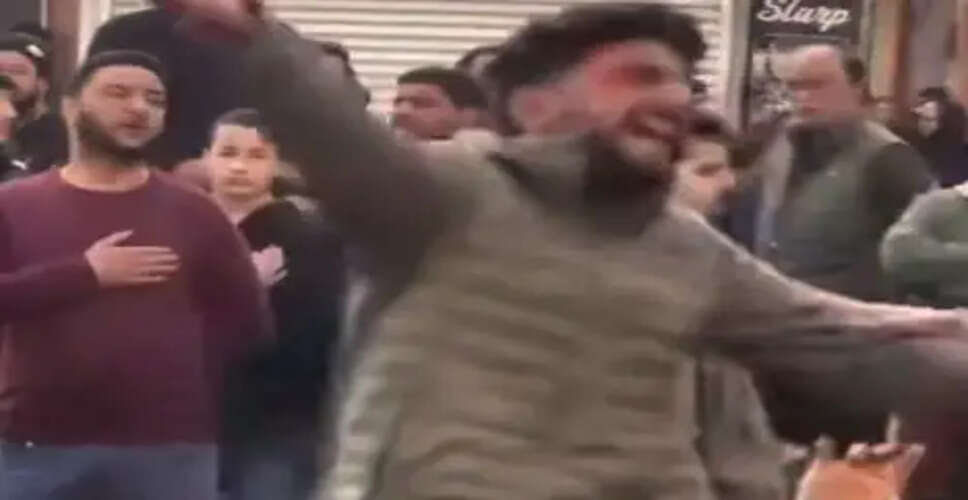
Protests Erupt Across India Following Khamenei's Death
Srinagar/Lucknow: In a show of solidarity and sorrow, Shia mourners across India, from Kashmir to Karnataka, took to the streets to express their outrage over the assassination of Iranian Supreme Leader Ayatollah Ali Khamenei, who was killed in a US-Israel airstrike in Tehran.
The news of Khamenei's death, confirmed by Iranian state media, sparked widespread protests and mourning globally, including in India.
In Kashmir, home to approximately 1.5 million Shias, significant protests erupted in areas such as Lal Chowk, Saida Kadal, Budgam, Bandipora, Anantnag, and Pulwama, as reported by officials.
Demonstrators were seen beating their chests and chanting slogans against the US and Israel.
Jammu and Kashmir's Chief Minister, Omar Abdullah, expressed his deep concern regarding the situation in Iran and urged for calm amidst the protests.
The Chief Minister's office stated, "He has appealed to all communities to maintain peace and avoid actions that could escalate tensions."
Abdullah also mentioned that his administration is coordinating with the Union Ministry of External Affairs to ensure the safety of Jammu and Kashmir residents, including students in Iran.
Farooq Abdullah, the National Conference leader, expressed his profound sorrow over Khamenei's assassination and called for a sensitive approach to the situation, allowing mourners to grieve respectfully.
Mirwaiz Umar Farooq, Kashmir's chief priest, voiced his outrage, stating, "The brutal killing of Ayatollah Khamenei by the US and Israel has shaken the Muslim world. The people of Jammu and Kashmir condemn this act of brutality and the ongoing aggression against Iran."
Numerous Muslim organizations across the nation declared a multi-day mourning period and planned protests in memory of Khamenei.
In Lucknow, Uttar Pradesh, crowds gathered near the Bara Imambara mosque, chanting slogans while women mourners held photos of Khamenei and wept.
Maulana Yasoob Abbas, the general secretary of the All India Shia Personal Law Board, announced plans to burn effigies of US President Donald Trump and Israeli Prime Minister Benjamin Netanyahu during the protests.
The Shia community has declared a three-day mourning period, during which members will wear black, display black flags at their homes, and hold special prayers.
In Punjab, despite its small Muslim population, protests occurred in Ludhiana, where effigies were burned.
Shahi Imam Maulana Mohammad Usman Rahmani Ludhianvi led the protest, calling for a week-long national mourning from the central government.
He urged Muslims worldwide to unite against such challenges, labeling Khamenei a martyr and condemning his assassination.
The Shia community in Ajmer also announced a three-day mourning period, with community leader Syed Asif Ali urging members to refrain from celebrations.
Condolence meetings were held at Dargah in Dorai and Taragarh in Ajmer, where community members prayed and expressed their grief.
Meanwhile, several devotees from Jodhpur found themselves stranded in Dubai due to canceled return flights following attacks near Dubai and Abu Dhabi.
Protests were also reported in New Delhi, Bihar, Jharkhand, and Telangana, where demonstrators held Khamenei's posters and voiced their anger against US and Israeli military actions.
In Chikkaballapur district of Karnataka, where Khamenei had previously visited, residents observed a moment of silence, with shops voluntarily closing.
Villagers declared a three-day mourning period in tribute to the Shia leader, suspending all celebrations and public events to maintain peace.
According to locals, Khamenei visited Alipura in 1986.