
Narendra Modi Set to Become India's Longest-Serving Elected Prime Minister
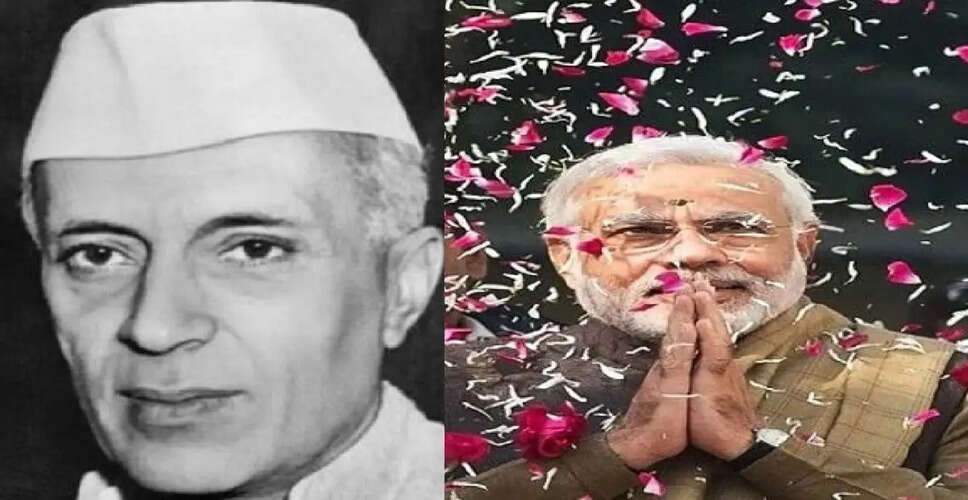

A Historic Milestone for Modi
On June 10, Prime Minister Narendra Modi will achieve a significant milestone by becoming the longest-serving democratically elected Prime Minister in India's history, surpassing the record set by Jawaharlal Nehru, the first Prime Minister of independent India. Modi, who took office on May 26, 2014, will complete a tenure of 4,399 consecutive days on June 10, exceeding Nehru's 4,398 days, which spanned from his oath on May 13, 1952, until his death on May 27, 1964.
Modi's Political Journey
This achievement marks yet another milestone in Modi's political career. He had previously surpassed former Prime Minister Indira Gandhi's uninterrupted tenure of 4,077 days, which lasted from January 24, 1966, to March 24, 1977. This record emerges against the backdrop of India's dramatic transformation over the decades.
Population Growth and Democratic Expansion
During Nehru's early leadership years, India's population was approximately 340 million. By the time Modi assumed office in 2014, the population had risen to over 1.31 billion, and it has since exceeded 1.46 billion. The scope of India's democracy has also expanded significantly over the years. In the first general elections of 1951-52, 53 political parties contested, while this number surged to 464 in 2014 and is projected to reach 744 in the upcoming 2024 Lok Sabha elections. The electorate grew from around 170 million during the first elections to over 830 million by 2014.
Contrasting Political Contexts
The political landscapes of both eras are starkly different. Under Nehru's leadership, the Congress party dominated, winning 364 out of 489 Lok Sabha seats in the 1952 elections. In contrast, Modi has governed in a much more fragmented and competitive political environment, characterized by strong regional parties and coalition dynamics at the state level. He is the first non-Congress Prime Minister to complete two consecutive full majority terms and the first since Nehru to win three consecutive Lok Sabha elections.