
Nahargarh Biological Park: A Leading Hub for Tiger Conservation in Rajasthan
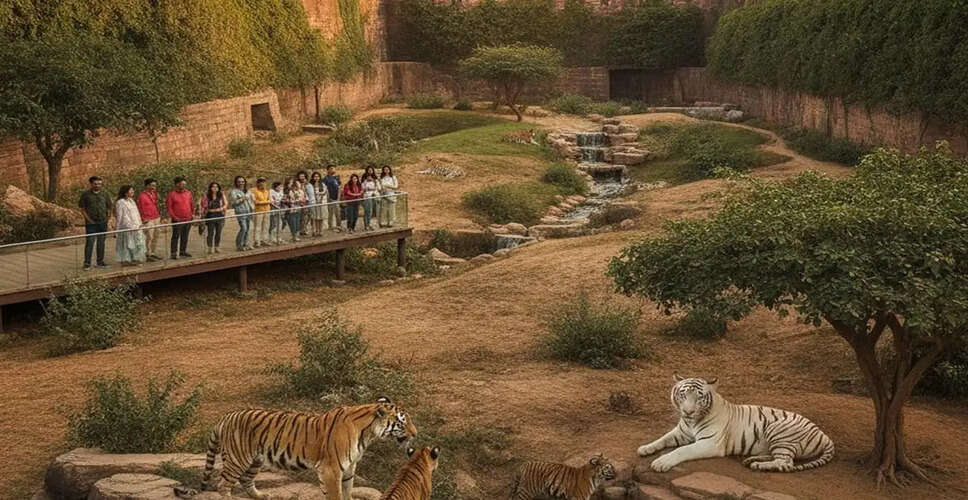

Nahargarh Biological Park's Role in Tiger Conservation
(Avinash Bakoliya) Jaipur, July 28 - Nahargarh Biological Park in Jaipur has emerged as a key wildlife sanctuary for tiger conservation in Rajasthan. Out of the 18 tigers residing in the state's four major parks, 14, including tigers, tigresses, and their cubs, are located in this park, as reported by officials on Tuesday.
Celebrating International Tiger Day
In light of International Tiger Day on July 29, officials highlighted that Nahargarh Biological Park stands out among the state's biological gardens. The park is home to 14 tigers and tigresses along with their cubs. The presence of white tigers, newborn cubs, and successful breeding programs not only narrate a story of wildlife conservation but also make the park a major attraction for tourists.
Current Tiger Population and Management
According to the forest department, Nahargarh Biological Park currently houses four tigers, four tigresses, and six cubs. Various species of wildlife are being preserved in the biological parks of Jaipur, Udaipur, Jodhpur, and Kota. Assistant Forest Conservator Jitendra Singh Shekhawat mentioned that the park is home to tigers Shivaji, tigress Rani, and their five cubs: Vijay, Surya, Shaurya, Vrinda, Ambe, along with a cub of tigress Bhakti.
Cubs Under Special Care
Due to their young age, the cubs are not currently on display for tourists. They are being kept in a secure environment to ensure their healthy development. Shekhawat noted that the tiger safari features tigers Gulab, white tiger Bheem, tigress Bhakti, Chameli, and Skandi, which are major attractions for visitors.
Special Care for Rescued Tigers
Additionally, a rescued tiger named Ranveer from Ranthambore Tiger Sanctuary is also housed here. Due to the special care he requires, he is currently kept away from public view. Shekhawat also pointed out the unique presence of white tiger Bheem in the park.
The Appeal of White Tigers
White tigers are considered quite rare compared to their orange counterparts, drawing a significant number of tourists to the park. This growing interest in the tiger safari is evident, with the youngest cub being just three months old and the oldest tiger, Shivaji, being around nine years old.
Importance of Age Diversity in Tiger Populations
Wildlife experts believe that having tigers of various age groups in a biological park indicates a healthy conservation system. This diversity aids in maintaining natural behaviors, breeding, and genetic variation. In comparison, other biological parks in the state have limited tiger populations, with Udaipur's Sajjangarh having one tigress, Kota's Abheda one tiger, and Jodhpur's Machiya one tiger and one tigress.
Nahargarh's Growing Popularity
Excluding Nahargarh, the other three parks collectively house only two tigers and two tigresses. Officials believe that alongside wildlife conservation, Nahargarh Tiger Safari is gaining popularity as a tourist destination. Visitors from across the country and abroad experience the thrill of observing tigers in their natural habitat alongside Jaipur's historical heritage.
Tourism Revenue and Future Prospects
Departmental data indicates that between December 2024 and June 2026, 24,882 tourists visited Nahargarh Tiger Safari, generating a revenue of ₹5,17,06,400 from tickets and other sources. This reflects the dual benefits of wildlife tourism in supporting conservation and economic activities.
Enhancing Visitor Experience
The forest department believes that continuous improvements in safari facilities and tourist management could further increase visitor numbers in the coming years, providing more resources for conservation efforts. Experts assert that biological parks are not merely places for displaying wildlife but are crucial centers for the conservation, breeding, treatment of endangered species, and public awareness.
Educational Opportunities at the Park
Visitors, including students and researchers, gain insights into wildlife behavior, conservation, and the importance of biodiversity through their experiences at the park.