
Nagaland's Tourism Growth: A Focus on Sustainable Development

Overview of Nagaland's Tourism Sector
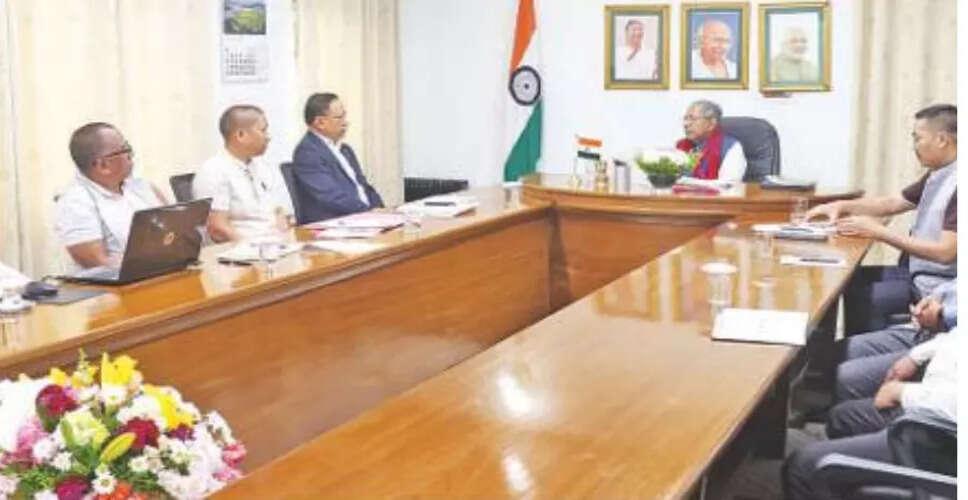
The state tourism department also presented an overview of its key initiatives, achievements, challenges, and future plans to the Governor
Dimapur, May 20: According to the State Tourism Department, Nagaland attracts approximately 225,000 domestic tourists each year, while international visitors number between 2,000 and 5,000 annually. This information was shared during a review meeting with State Governor Nand Kishore Yadav at Lok Bhavan in Kohima.
During the meeting, Tourism Secretary Nchumbemo Lotha provided insights into the advancements in tourism within Nagaland, emphasizing initiatives designed to enhance the State's reputation as a premier destination for eco-tourism, cultural tourism, and community-based tourism.
The department reaffirmed its commitment to fostering sustainable tourism that not only safeguards the State's rich cultural heritage but also protects its natural surroundings.
Known as the ‘Land of Festivals’, Nagaland presents a variety of unique tourism experiences, showcasing vibrant tribal customs alongside breathtaking landscapes and diverse ecosystems.
Officials pointed out several key tourist destinations, such as the Dzukou Valley, often referred to as the ‘Valley of Flowers’, Khonoma Green Village, recognized as India's first green village, Mount Saramati, the highest peak in the State, and the Diezephe Craft Village, famous for its traditional handloom and handicrafts.
The meeting also underscored the achievements of community-driven tourism projects in villages like Khonoma and Dzuleke, where sustainable tourism practices have generated livelihood opportunities for local residents.
Additionally, the department provided updates on significant infrastructure development initiatives under the State plan, DoNER/NEC schemes, and the Tourism Ministry’s Swadesh Darshan projects. These initiatives include enhancements to tourism facilities at Kisama Heritage Village, the establishment of tourist amenity centers, eco-tourism projects, and improvements to tourism infrastructure across various districts.