
Mumbai's Infrastructure Debate Heats Up Ahead of BMC Elections
Mumbai at a Crossroads
Mumbai, often referred to as the economic heartbeat of India and the city of dreams, finds itself at a pivotal moment. Recent political developments indicate that the city's growth is closely linked to the intentions of those in power and the effectiveness of their leadership. As the Brihanmumbai Municipal Corporation (BMC) elections approach, political parties are leveraging infrastructure as a key electoral strategy.
Political Perspectives on Development
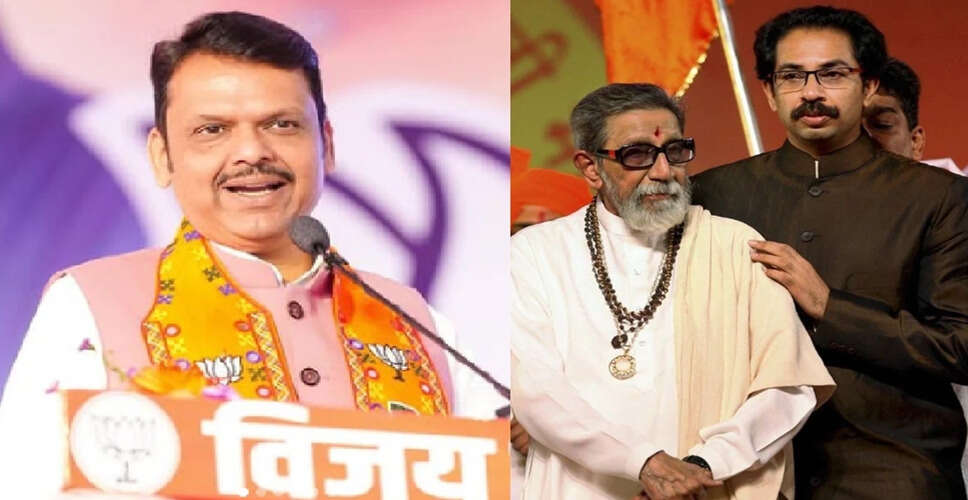
Supporters of the ruling Mahayuti alliance argue that under Devendra Fadnavis's leadership, significant projects have gained momentum. They claim that whenever the BJP-Mahayuti coalition is in power, Mumbai embodies its identity as 'the bustling city.' Conversely, Mahayuti leaders point out that delays in roadworks, metro corridors, and connectivity projects adversely affect millions of commuters and businesses. They assert that the obstacles faced during previous administrations were not due to technical or financial issues, but rather stemmed from political rivalry.
Fadnavis Era: A Golden Age for Mumbai's Infrastructure
Between 2014 and 2019, the government led by Devendra Fadnavis transformed Mumbai with a modern outlook. Projects that had languished in bureaucratic limbo for decades, such as the Mumbai Metro network, Coastal Road, and the Atal Setu (MTHL), were expedited significantly. This period marked a substantial advancement towards world-class infrastructure for the city.
MVA: A Period of Development Stagnation
Following the change in power in 2019, the government under Uddhav Thackeray faced serious allegations of being anti-development. Decisions like halting the Metro-3 Aarey car shed due to political vendettas not only inflated project costs by ₹10,000 crores but also delayed the commuting experience for Mumbaikars by four years.
MVA's Policy of Stagnation
The MVA's primary strategy seemed to be imposing 'stays' on every public welfare initiative, from water conservation to metro projects. While the public grappled with traffic and potholes, directives from 'Matoshree' focused solely on obstructing projects.
Mahayuti's Return: Reviving the Development Train
In 2022, the Mahayuti government led by Eknath Shinde and Devendra Fadnavis swiftly addressed the pending obstacles upon taking office.
Key Infrastructure Developments
Atal Setu: The country's longest sea bridge was inaugurated in record time for public use.
Coastal Road: The journey from South Mumbai to Worli has now been reduced to mere minutes.
Bullet Train and Metro: The bullet train project, once dismissed as 'unwanted,' is now progressing at a rapid pace.
Caution: Will 'Speed Breakers' Return?
The Mahayuti's return to power in the 2024 elections has rekindled hopes for development. However, warnings persist. If tendencies that impose 'speed breakers'—known for personal ego and corruption—resurface, Mumbai's progress could regress by another 20 years.
Conclusion: A Clear Choice for Mumbaikars
Today, residents of Mumbai face a distinct choice: rapid, modern development or the arrogance that leads to project delays. To ensure uninterrupted progress for Mumbai, it is crucial to permanently eliminate such 'speed breaker' tendencies.