
Mumbai High Court Rejects CPI-M Petition, Emphasizes Domestic Issues Over International Protests
The Bombay High Court has dismissed a petition from the CPI-M regarding protests related to Gaza, emphasizing that political parties should focus on pressing domestic issues instead. The court highlighted existing problems in India, such as waste management and flooding, urging citizens to prioritize these over international matters. This ruling not only addresses legal rights but also serves as a significant reminder for political entities about the importance of national interests. The court's remarks indicate a clear stance on balancing freedom of expression with the need for national security, making it a pivotal decision for future protests.
| Jul 26, 2025, 11:24 IST
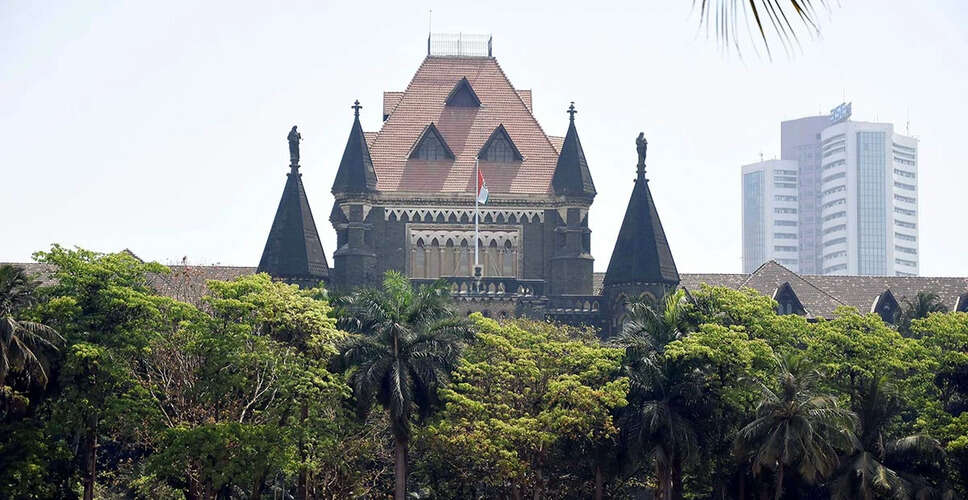
Court's Strong Remarks on International Protests
The Bombay High Court's dismissal of the CPI-M petition serves as a significant reminder for those who frequently organize protests related to Gaza or Palestine within the country. The court emphasized that citizens and political parties in India should prioritize addressing internal matters.
Focus on Domestic Problems
During the hearing, the court pointed out existing issues in the country, such as waste management, illegal parking, flooding, and drainage problems. It urged the petitioners to concentrate on these local challenges rather than events occurring thousands of kilometers away. This statement underscores the potential distraction that unnecessary international protests can create from pressing domestic conditions.
Rejection of the Petition
The Bombay High Court rejected the CPI-M's petition challenging the Mumbai police's decision to deny permission for a protest against deaths in Gaza. Senior advocate Mihir Desai argued on behalf of the CPI-M, stating that their intention was merely to gather at the designated protest site in Azad Maidan, not to conduct a march. However, the bench, comprising Justices R.V. Ghuge and Gautam Ankad, ruled that the party lacked the legal standing to file the petition, as the application for the protest was submitted by the All India Peace and Solidarity Foundation (AIPSF), not the CPI-M. It is noteworthy that last month, the police had also denied AIPSF's request for permission to protest regarding the Gaza issue.
Court's Inquiry on National Issues
During the proceedings, the bench verbally questioned the petitioners about their lack of focus on issues pertinent to India. The court remarked, "Be patriotic... speak about your country's issues. We have numerous problems like waste, illegal parking, flooding, and drainage. How does what happens thousands of miles away affect your clients?" In response, Desai raised the question of whether freedom of expression is limited to discussing only Indian issues, citing peaceful protests on the Gaza issue in democratic nations worldwide. He also noted that two of the petitioners had signed the application submitted to the police, which was rejected. The court then inquired why the other signatories did not appear in court.
Balancing Freedom of Expression and National Security
The court's comments highlighted the ongoing debate between freedom of expression and national security. While citizens have the constitutional right to peaceful protests, the government also has concerns regarding law and order and international relations. The court clarified that the primary reason for dismissing the petition was the lack of legal standing. The remarks indicated that, under current circumstances, national issues should take precedence. This suggests that protests related to international disputes could contradict India's official diplomatic stance, potentially leading to sensitive situations.
Significance of the Ruling
Ultimately, this ruling was not only based on legal rights but also underscored the importance of prioritizing domestic issues. It symbolizes the judiciary's recognition of civil rights while emphasizing the need for balance when national interests and international sensitivities are at stake. For those who frequently protest regarding Gaza or wave Palestinian flags in public spaces, this decision serves as a clear precedent. It sends a crucial message to political parties that they must consider whether they are prioritizing India's interests before raising international issues. This ruling is not merely a legal directive but also a social and political statement.