
Mossad's Quiet Role in the Ongoing Iran Conflict
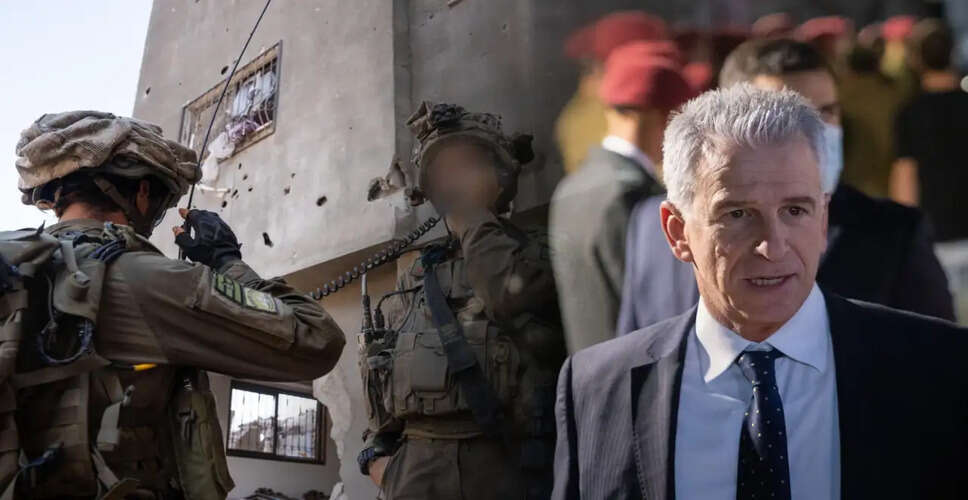
Mossad's Strategic Silence Amidst Tensions
As Israeli airstrikes capture global attention, a less visible aspect of Israel's strategy is emerging: the Mossad. Unlike its previous assertive stance during the June 2025 conflict with Iran, where it openly showcased its intelligence operations, Mossad is now notably quiet. This shift is significant; during the earlier confrontation, details about its involvement in undermining Iranian air defenses and mapping nuclear facilities were made public, highlighting its crucial role in Israel's military strategy.
Currently, as tensions escalate in the Iran conflict, the usual channels associated with Mossad have gone silent. This silence does not imply inactivity; rather, it may indicate a strategic choice to maintain operational discipline.
Transforming Public Perception in June 2025
The June 2025 operations marked a pivotal moment in how Mossad's capabilities were communicated. Reports from Israeli media suggested that intelligence gathering, including covert operations within Iran, significantly influenced military strikes on key targets. Although many specifics remain unverifiable, the consensus is that Mossad played a vital role in identifying critical military assets.
This public display of confidence was strategic, signaling to Iran that the threat extended beyond mere military might to Israel's extensive reach. The current lack of communication from Mossad stands in stark contrast to its previous openness, suggesting a shift towards a more disciplined operational approach.
Years of Intelligence Accumulation
Mossad's significance in the Iran narrative stems from a long history of intelligence operations rather than isolated incidents. A notable example is the 2018 operation that resulted in the acquisition of Iran's nuclear archive, which was later confirmed by Israeli officials. Prime Minister Benjamin Netanyahu showcased this material as evidence of Iran's ongoing nuclear ambitions.
International reports and memoirs from former Mossad officials describe this operation as the culmination of extensive intelligence work, involving tracking, monitoring, and piecing together information rather than relying on a single breakthrough. This operation underscored Mossad's ability to construct a comprehensive intelligence framework within Iran, utilizing various sources and methods.
Current Operations of Mossad
While no public source can accurately detail Mossad's current activities in Iran, several plausible roles can be inferred based on its historical methods. These include identifying key figures, monitoring movements, and assessing damage from Israeli strikes. Additionally, Mossad may engage in covert actions aimed at disrupting Iranian responses and creating uncertainty within their command structure.
Moreover, Mossad's influence extends beyond direct actions; it creates an atmosphere of fear and distrust within Iran, affecting decision-making processes. In such conflicts, intelligence operations can significantly shape the adversary's perceptions and responses.
Mossad's Unique Position in National Security
Since its establishment in 1949, Mossad has played a crucial role in Israel's national security framework, reporting directly to the prime minister. It is tasked with foreign intelligence gathering, covert operations, and collaboration with international agencies. Former officials have emphasized its importance, particularly regarding Iran, where intelligence and covert actions are deemed essential for strategic deterrence.
Current director David Barnea, who took over in June 2021, leads an agency that operates with a substantial budget and workforce, although public information about its operations is intentionally limited. Mossad's influence often extends beyond espionage, impacting strategic planning and covert diplomacy.
Beyond Assassinations
While popular culture often portrays Mossad as merely a group of assassins, its role is far more complex and institutional. It is part of a larger Israeli intelligence community that includes military intelligence and domestic security, but it holds a unique position when operations require deniability. Its persistent intelligence efforts against Iran are crucial, as conventional military actions alone cannot address the challenges posed by such a heavily fortified adversary.
Interpreting the Silence
In conflicts like this, public noise often serves political ends, while silence can enhance operational effectiveness. Mossad's current reticence may indicate that its intelligence work is most potent when adversaries are left uncertain about the source of the next potential strike. This ambiguity serves as a strategic advantage.
If the June 2025 operations were about demonstrating Israel's reach, the current phase may focus on maintaining that reach without revealing its methods. Thus, Mossad's silence does not diminish its significance; rather, it may signify that the covert conflict continues unabated.