
Mossad Chief Roman Gofman's Inaugural Visit to Washington Focuses on Iran
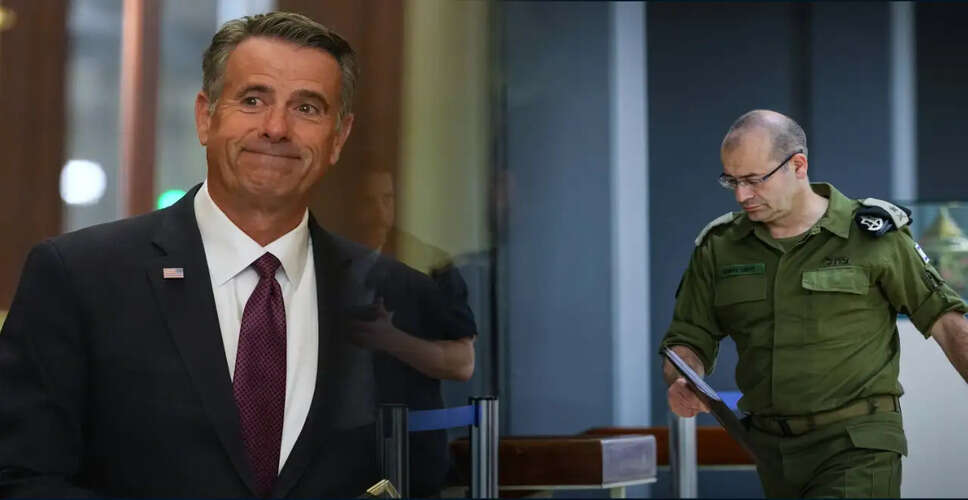

Mossad Director's First Official Trip
Roman Gofman, the newly appointed head of Mossad, recently made his inaugural visit to Washington, marking his first official engagement since taking over the Israeli intelligence agency. His discussions primarily revolved around the ongoing conflict with Iran, its nuclear ambitions, and the strategic partnership between the US and Israel. Sources indicate that Gofman met with CIA Director John Ratcliffe and other senior officials from the White House as tensions with Iran escalated. This visit occurred just before renewed hostilities and heightened security concerns in the Strait of Hormuz, underscoring the critical need for intelligence collaboration between the two nations.
Focus on Iran and Nuclear Negotiations
A key aim of Gofman's trip was to synchronize the intelligence and policy stances of Israel and the US regarding the negotiations with Iran concerning its nuclear program. An Israeli source revealed that the discussions were centered on aligning intelligence evaluations and policy strategies as the US continued to assess its diplomatic approach towards Tehran while also considering military options. The meetings highlighted apprehensions within certain segments of the US administration about Iran's interpretation of prior agreements made with the US.
Skepticism from CIA Director Ratcliffe
During his discussions with CIA Director John Ratcliffe, Gofman encountered skepticism regarding previous agreements with Iran. Ratcliffe has been known to express concerns within President Trump's inner circle about how Tehran might interpret various clauses, especially those related to maritime operations and navigation rights in the Strait of Hormuz. Neither the CIA nor Mossad has publicly commented on these discussions.
Significance of Gofman's Visit
This trip was significant as it marked Gofman's first official engagement in the US since he took over as Mossad Director in June. Recognized as a close advisor to Prime Minister Benjamin Netanyahu, Gofman leads Israel's intelligence service during a particularly challenging security landscape. His visit underscores the importance both nations place on maintaining robust intelligence cooperation amid ongoing military and diplomatic efforts concerning Iran.
Longstanding CIA and Mossad Collaboration
The CIA and Mossad share one of the most enduring intelligence partnerships globally, with collaboration dating back to the 1950s through various institutional frameworks and intelligence-sharing agreements. While much of this cooperation remains classified, several significant joint operations have been disclosed through investigative journalism and historical accounts.
Notable collaborations include:
- 2008: The assassination of Hezbollah leader Imad Mughniyeh, executed through coordinated efforts between CIA and Mossad in Damascus.
- Operation Olympic Games (Stuxnet), a joint cyber initiative targeting Iran's uranium enrichment facilities at Natanz, involving the CIA, NSA, Mossad, and Israel's Unit 8200.
- Cold War intelligence support for Poland's Solidarity movement through covert financial and logistical channels.
- Post-9/11 counterterrorism intelligence sharing, with Mossad providing critical human intelligence across the Middle East to bolster US operations against Al-Qaeda and other extremist groups.