
Mojtaba Khamenei Injured in Israeli Strike: A Potential Successor to Iran's Supreme Leader
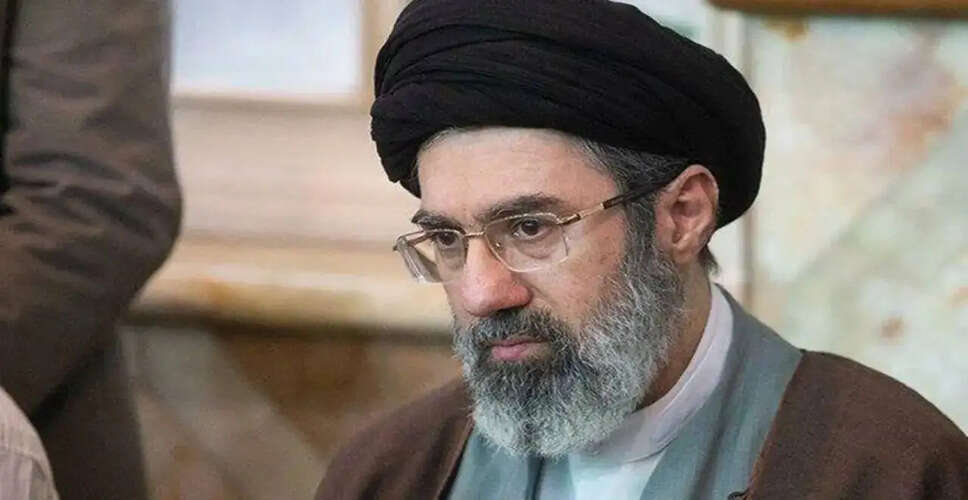
Mojtaba Khamenei's Injury and Its Implications
Mojtaba Khamenei, the individual anticipated to ascend as Iran's next supreme leader, sustained injuries during an Israeli airstrike that marked the commencement of Operation Lion's Roar on February 28, as reported by a news outlet. The 56-year-old, son of the late Ayatollah Ali Khamenei, survived the assassination attempt, although the specifics and severity of his injuries are still not fully known. This series of strikes resulted in the death of his father and around 40 other high-ranking officials of the Islamic Republic.
Key Developments
According to Iran's state-operated Fars News Agency, the Assembly of Experts, a group of 88 members responsible for electing the supreme leader, is set to meet within the next day. The urgency behind this meeting is intentional, as Grand Ayatollah Nouri Hamedani has urged for a swift process, arguing that a prolonged succession could signal weakness at a critical time. Ayatollah Mazafari echoed this sentiment, stating that the Assembly has been eagerly awaiting the right moment to convene. He emphasized the importance of fulfilling their significant duty to select a new leader following the martyrdom of the previous Imam.
In this context, the speed of the process serves as a political message. The regime aims to demonstrate its resilience in the face of losing its supreme leader and its ability to continue functioning.
Mojtaba's Position and Challenges Ahead
The Islamic Revolutionary Guard Corps (IRGC), a dominant force in Iran, is reportedly advocating strongly for Mojtaba's leadership. This support is crucial in a political landscape where the IRGC's influence permeates all levels of governance. However, not all members of the Assembly are in agreement. Some have expressed reservations about appointing the son of the previous leader, fearing it may resemble a dynastic rule rather than a revolutionary governance model. Mojtaba has maintained a low profile, lacking senior clerical status and official government roles. His main assets are his lineage, the backing of the IRGC, and the injuries he sustained in the same attack that claimed his father's life, which could be interpreted by the Assembly as either a sign of vulnerability or a testament to sacrifice.