
Mohammad Nissar: The Pioneer of Indian Fast Bowling
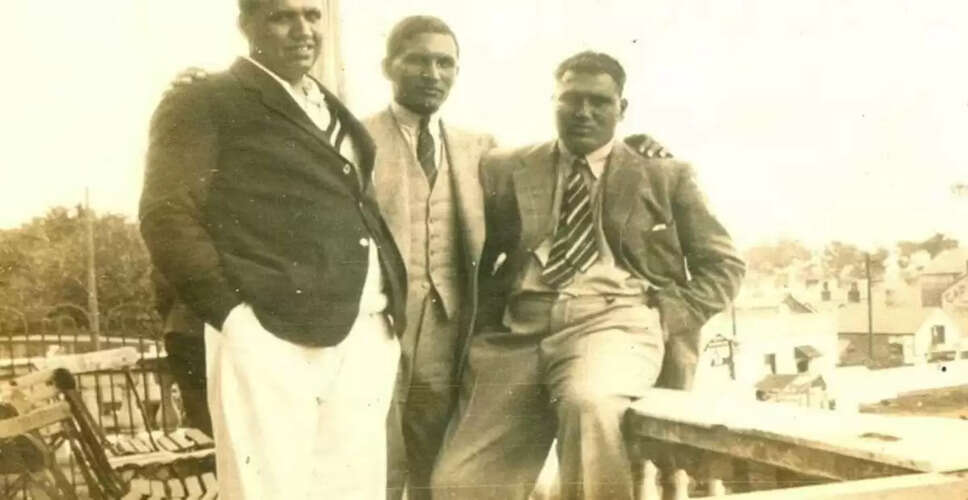
The Legacy of Mohammad Nissar
Before Jasprit Bumrah emerged as a fast bowling sensation, there was another remarkable figure in Indian cricket known for his speed—Mohammad Nissar. He was India's first genuine pace bowler, renowned for his ability to swing and seam the ball at impressive speeds, which introduced a new era in Indian bowling, traditionally dominated by spin.
Nissar formed a legendary new-ball partnership with Amar Singh, characterized by skill, aggression, and effectiveness, which became a significant part of early Indian cricket folklore.
He made a memorable impact during India's inaugural Test match against England at Lord's in 1932, where he disrupted the English batting lineup by clean bowling Herbert Sutcliffe and Percy Holmes, setting the stage for a remarkable debut. Throughout that tour, Nissar emerged as India's standout performer, claiming 71 wickets at an impressive average of 18.09, leading the bowling charts.
Nissar's dominance extended beyond English pitches. During the 1935 Australian tour of India, he maintained his fiery form, taking 32 wickets in just four unofficial Tests at an astonishing average of 13 runs per wicket, showcasing his consistency and threat as a bowler.
His final Test match was also against England, where he concluded his career with a spectacular performance, taking four wickets in just five overs, reaffirming his status as India's first lethal pace bowler.