
Modi's Call for Fuel Conservation Sparks National Debate
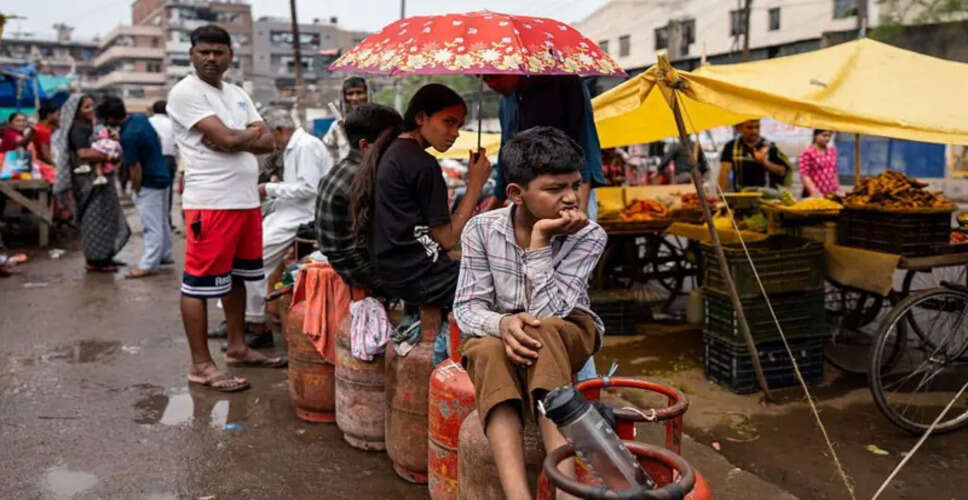

Introduction to the Fuel Conservation Debate
A recent appeal by Prime Minister Narendra Modi regarding fuel conservation and increased digital engagement has ignited a significant discussion across the nation. He urged citizens to minimize unnecessary travel and embrace online classes and remote work to help control the consumption of fuels like petrol and diesel.
Public and Political Reactions
Following his statement, conversations have surged on social media and within political and economic circles. While some view this as a responsible initiative towards energy conservation and environmental protection, others analyze it in the context of both global and domestic economic conditions.
Fuel Conservation: A Sign of Economic Concerns?
Economic experts suggest that governments frequently promote energy conservation messages. In a large import-dependent nation like India, expenditures on petroleum products are a crucial economic factor, making consumption control a longstanding policy goal.
However, some analysts argue that when a country's leadership repeatedly emphasizes fuel savings and reduced spending, it may indicate fluctuations in the global market, rising import bills, or potential economic pressures.
The Push for Digital Work
Modi's appeal also highlighted the importance of remote work and online education. The COVID-19 pandemic accelerated the adoption of digital work culture in India, with many companies and institutions partially maintaining this model.
Experts believe that promoting digital platforms not only reduces fuel consumption but also saves time and logistics costs. Additionally, it helps alleviate traffic congestion, pollution, and urban pressure.
Assessing Economic Pressures
Financial analysts currently see no clear indicators suggesting that India is heading towards a severe economic crisis. The Indian economy remains one of the fastest-growing in the world, with consistent investment across various sectors.
Nonetheless, fluctuations in global crude oil prices, geopolitical tensions, and supply chain challenges are factors that can impact any nation's economy. This is why governments periodically issue messages about energy conservation and spending control.
Public Sentiment on Social Media
Responses on social media regarding this issue are mixed. Some individuals view it as a practical necessity for the future, while others connect it to economic signals. Many users advocate for the digital work model to become a permanent arrangement, while others argue that it may not be feasible across all sectors.
Conclusion
Currently, experts agree that the Prime Minister's appeal primarily serves as a message for energy conservation, digital utilization, and better resource management. However, given the changing global economic landscape, it is natural for such statements to be interpreted from various perspectives.
In the future, it will be crucial to observe how the government advances its energy policies and digital infrastructure, and whether such appeals become a regular part of policy or remain limited to awareness campaigns.