
Modi Government Increases LPG Prices Amid Global Tensions
In a significant move, the Modi government has raised LPG prices just days after state elections, while petrol and diesel rates remain unchanged. This decision, influenced by geopolitical tensions in the Middle East, also includes a rise in aviation fuel costs, hinting at potential increases in air travel expenses. Despite these hikes, the government has maintained stable prices for domestic consumers, aiming to mitigate immediate impacts. As the situation evolves, the balance between global pressures and domestic relief efforts remains a critical focus. Read on to explore the implications of these changes on consumers and the broader market.
| May 1, 2026, 11:33 IST

Significant Rise in LPG Prices Post-Election
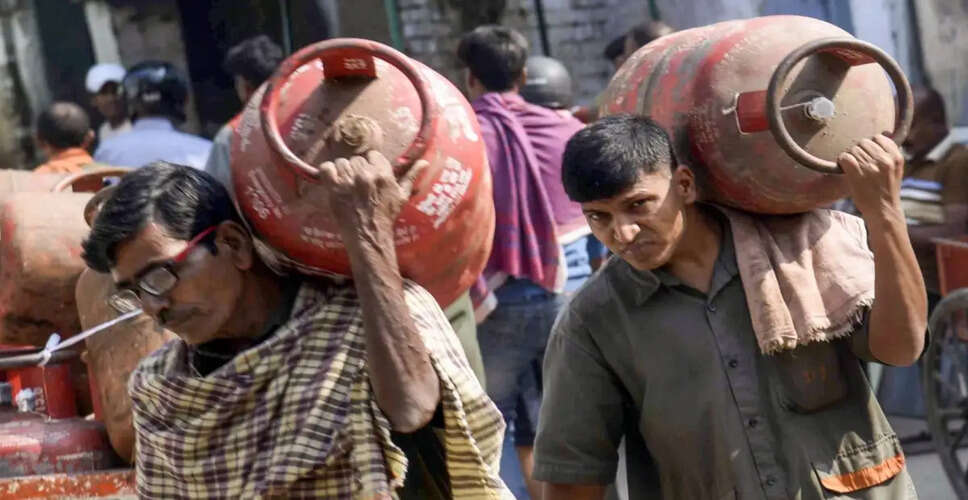
Just two days after the voting concluded in five states, the Modi administration has announced a substantial hike in LPG prices, while keeping petrol and diesel rates unchanged. Additionally, the cost of aviation turbine fuel (ATF) for international airlines has also surged, indicating a likely increase in air travel expenses in the near future. These decisions come amidst rising instability in the global energy market and ongoing tensions in the Middle East.
Current Fuel Prices in Major Cities
It is noteworthy that state-owned oil companies, particularly Indian Oil Corporation, have maintained stable prices for petrol, diesel, and domestic cooking gas to provide relief to consumers. In Delhi, petrol remains at ₹94.77 per liter and diesel at ₹87.67 per liter, while in Mumbai, petrol is priced at ₹103.54 and diesel at ₹90.03 per liter. Conversely, the price of commercial LPG cylinders has seen a significant increase of ₹993, bringing the new cost of a 19 kg cylinder in Delhi to ₹3071.50. Meanwhile, the price of the 14.2 kg domestic cylinder has been kept steady at ₹913, offering immediate relief to household users.
Aviation Fuel Price Hike
In line with these changes, the price of ATF for international airlines has risen by nearly five percent, now costing $1,511.86 per kiloliter in Delhi. This marks the second consecutive month of rising aviation fuel prices, following a significant 25 percent increase in April. However, domestic airlines have not seen any changes in ATF prices, aiming to limit the immediate impact on domestic travelers.
Geopolitical Factors Behind Price Increases
The primary reason for this price surge is attributed to escalating geopolitical tensions in the Middle East. The closure of the Strait of Hormuz has significantly impacted the global supply chain, as this strait is a crucial route for transporting nearly 20 percent of the world's oil and natural gas. The disruption has led to rising prices in the international market, which is now reflected in various fuel costs.
Export Duty Adjustments
In response to these challenges, the Modi government has also reduced the export tax to alleviate pressure on the export sector. The export duty on diesel has been lowered to ₹23 per liter from ₹55.5, while the duty on ATF has been cut from ₹42 to ₹33 per liter. The export duty on petrol remains at zero, and the road and infrastructure cess on diesel exports has also been waived for this fortnight.
Monthly LPG Price Review
It is important to note that oil marketing companies review LPG prices at the beginning of each month. In April, there was also a price increase, with domestic cylinder prices rising by ₹60 and commercial cylinder prices by ₹196. Prior to that, a hike of ₹114.5 was recorded in March, leading to expectations of further increases in May.
Clarification on Fuel Price Rumors
Meanwhile, social media has been rife with misleading messages regarding significant increases in petrol and diesel prices. The government quickly responded, labeling these claims as entirely false. The fact-checking unit clarified that no such orders have been issued, and the circulated documents are fake. A senior government official also stated that there are currently no proposals for increasing retail fuel prices, indicating an effort to avoid placing an immediate burden on consumers despite international market volatility.
Balancing Act Amid Global Pressures
Overall, the Modi government and oil companies are striving to provide relief to the public while balancing global pressures. While domestic consumers have been shielded from direct impacts, there are clear signs of rising costs in commercial and international sectors. Should tensions in the Middle East escalate further, it could have widespread repercussions on both the domestic market and air travel in the future.