
Mizoram's Chief Electoral Officer Engages with Delete Church Community Over Voter Registration
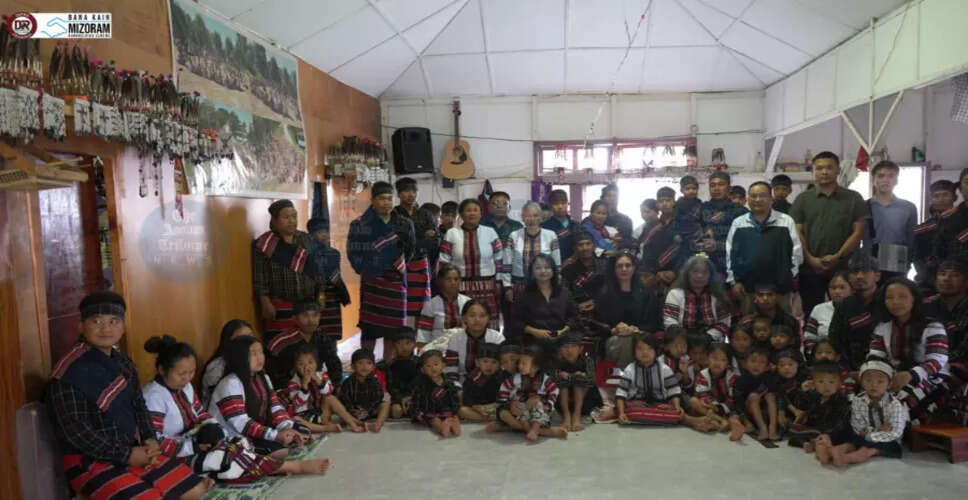

Engagement with the Delete Church Community
Delete Church community in Mizoram
Aizawl, Sept 5: In an unusual intersection of faith and the electoral process, Garima Gupta, the Chief Electoral Officer (CEO) of Mizoram, met with members of the Delete Church community in Champhai district on Friday. The purpose of this meeting was to understand their reasons for opting out of the voter registration process.
During her visit to Zotlang, Gupta engaged with the community as part of the Election Commission's Special Intensive Revision (SIR) initiative. The Delete Church members have chosen not to register in government records, including the electoral rolls, due to their belief that such actions contradict their biblical interpretations.
This group is known locally as the Delete Church because its members have requested the removal of their names from not only electoral lists but also from various government databases and welfare schemes. Their beliefs are influenced by the biblical concept of the 'mark of the Beast' from the Book of Revelation, which they associate with formal identification within government systems.
Additionally, the community has refrained from participating in government enrollment programs like Aadhaar and ration cards, making their interaction with election officials particularly noteworthy as the Election Commission conducts a thorough verification of the electoral rolls.
The meeting was characterized as friendly, with Gupta attentively listening to the community's concerns and striving to comprehend their position. She was joined by Joint CEO Ethel Rothangpuii, Champhai Election Officer Ngulzahuama, and Champhai South Assistant Electoral Registration Officer Lalchhuanawma Ralte.
This outreach occurs as the Election Commission aims to finalize the SIR process in Mizoram, which is designed to identify and eliminate ineligible entries while ensuring that all eligible citizens are included in the electoral roll.
On the previous day, Gupta had been in Champhai assessing the SIR's progress alongside election officials, political party representatives, civil society organizations, and media personnel. During a review meeting, she commended Champhai for its strong performance among districts in the state.
While the SIR primarily serves as an administrative task to uphold the integrity of the electoral roll, Gupta's engagement with the Delete Church community raises important questions about how the state should interact with citizens who intentionally opt out of official identification systems due to their deeply held religious convictions.