
Mizoram Implements Strict Fuel Export Controls Amid Global Uncertainty
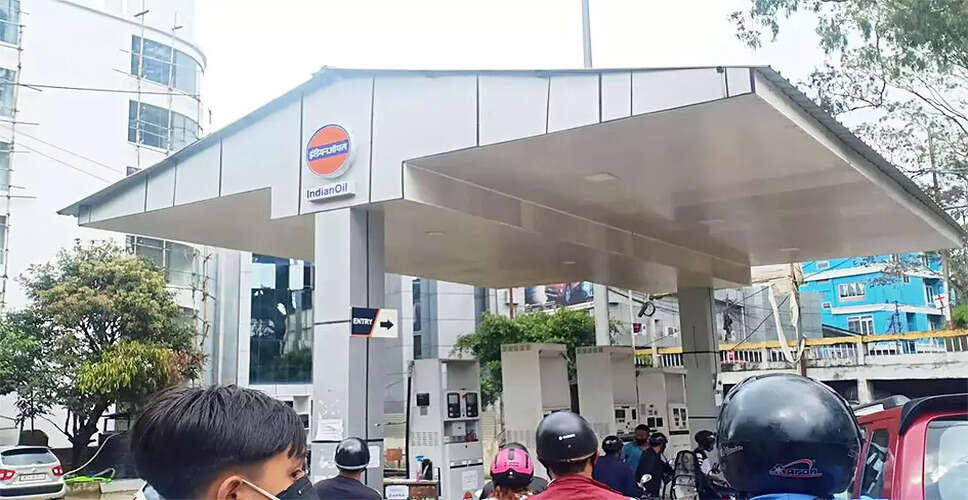
Tightened Fuel Regulations in Mizoram
Aizawl, March 24: In response to concerns over potential shortages of essential goods, particularly fuel, authorities in the southern districts of Siaha and Lunglei in Mizoram have enacted strict regulations on the export and transportation of fuel to Myanmar. This decision comes amid ongoing conflicts in West Asia that have raised alarms about supply stability.
The Deputy Commissioners, who also act as District Magistrates, issued separate orders invoking the Bharatiya Nagarik Suraksha Sanhita (BNSS), 2023, along with other applicable laws, to manage fuel distribution and curb illegal trading activities.
In Siaha, District Magistrate VL Hruaizela Khiangte implemented an order under Section 163 of the BNSS on Friday, which prohibits unauthorized exports of petroleum products to Myanmar and other nations.
An official announcement made on Monday stated that this directive aims to ensure local demand is satisfied and that supply chains remain intact during this period of global uncertainty.
The order also targets black market operations within the district. Fuel stations are required to monitor bulk sales closely, with specific limits set for retail transactions.
Sales exceeding 500 litres of petrol or 1,000 litres of diesel must only be conducted with individuals or entities that hold valid storage permits. This initiative seeks to prevent hoarding and the diversion of fuel for cross-border trade.
A similar ban has been enacted in Lunglei district by District Magistrate Navneet Mann, who has prohibited the transport of fuel intended for sale in Myanmar. This order highlights the administration's worries regarding unauthorized fuel movements across the border, especially in light of unregulated trading activities.
Mann pointed out that transporting petroleum products without a valid storage license violates Rule 3 of the Petroleum Rules, 2002. She noted that the district administration has observed instances of such illegal transport, necessitating immediate action to protect local supplies.
The order specifies that any violations will result in severe penalties under Section 23 of the Petroleum Act, 1934, in addition to the provisions of Section 163 of the BNSS, 2023.
Officials indicated that these measures reflect a proactive stance by district administrations to avert a supply crisis and ensure the availability of essential fuels for residents. Given Mizoram's porous border with Myanmar, authorities are on high alert against illegal cross-border trade that could disrupt the state's internal supply chain during this time of global oil market volatility.