
Middle East Tensions: Trump Claims Progress Amidst Iranian Denials
De-escalation Efforts in the Middle East
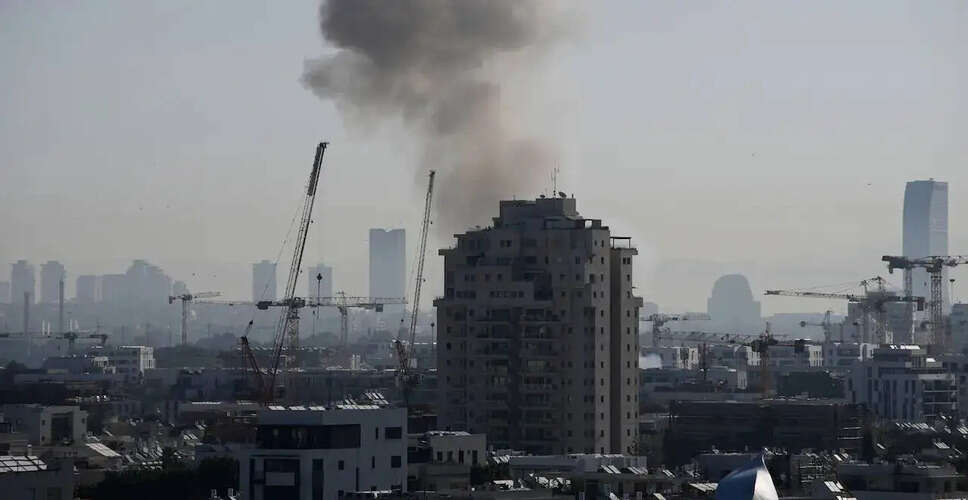
Recent developments in the Middle East indicate a potential easing of tensions as Donald Trump announced that his administration is in talks with Iran, claiming significant progress. However, Iran has refuted these claims, asserting its commitment to continue fighting until total victory is achieved. Meanwhile, several Gulf Arab nations, along with Egypt and Pakistan, have expressed interest in hosting peace negotiations, while Israel remains steadfast in its military actions.
Despite Iran's denial of ongoing negotiations, a report from a prominent news outlet outlines Tehran's demands for de-escalation, should the U.S. genuinely seek dialogue. Iran's conditions include the cessation of hostilities, closure of U.S. military bases in the Gulf, assurances against further attacks, an end to Israeli strikes, lifting all sanctions, reparations for war damages, and unrestricted missile development.
The report also indicates that if Iran were to engage in negotiations with the Trump administration, it would set high expectations for its demands. Additionally, Iran is proposing a new regulatory framework for the Strait of Hormuz, potentially implementing tolls for vessels traversing this crucial maritime route, similar to Egypt's practices in the Suez Canal.
Trump's Peace Proposal
In light of the ongoing conflict, Trump has stated that he has presented a peace plan to Iran after weeks of hostilities. This plan includes discussions on halting Iran's nuclear program and banning uranium enrichment. Trump's 15-point proposal suggests that if Iran agrees to dismantle its nuclear capabilities, the U.S. would lift sanctions and assist in constructing a civil nuclear energy facility in Bushehr.
The negotiations are expected to address U.S. demands for Iran to dismantle its nuclear sites in Natanz, Isfahan, and Fordow, as well as curtail its support for militant groups like Hezbollah.
Trump's Claims of a 'Big Present' from Iran
On Tuesday, Trump remarked that Iran had given him a 'very big present' valued at a significant amount. However, the specifics of this 'present' remain unclear, as Trump has a history of making grand claims.
In the meantime, additional U.S. Marines are being deployed to the Gulf, with plans to send at least 1,000 troops from the 82nd Airborne Division to the region shortly.
Negotiation Dynamics and Objectives
Since the onset of military actions alongside Israel on February 28, Trump's objectives have been inconsistent and often ambiguous. He has mentioned goals such as degrading Iran's missile capabilities and ensuring it cannot develop nuclear weapons, which he insists must be part of any agreement.
Reopening the Strait of Hormuz, a critical route for oil transport that Iran has effectively blocked since the conflict began, has become a priority for both Trump and the global economy. While Trump expresses a willingness to engage with Iranian leaders, Israeli Prime Minister Benjamin Netanyahu continues to advocate for the overthrow of Iran's government.
Trump has indicated that U.S. envoy Steve Witkoff and his son-in-law Jared Kushner held discussions with an Iranian leader, although the identity of this individual remains undisclosed. Reports suggest that Iranian Parliament Speaker Mohammad Bagher Qalibaf could be a potential contact, but he has denied any talks occurred.
The U.S. has tentatively agreed to participate in discussions in Pakistan, as confirmed by several officials, while efforts to build trust between the U.S. and Iran are ongoing, aiming for a cessation of hostilities and a framework to reopen the Strait of Hormuz.