
Mental Health Crisis Among Students: Alarming Survey Results

Survey Highlights Mental Health Issues in Higher Education
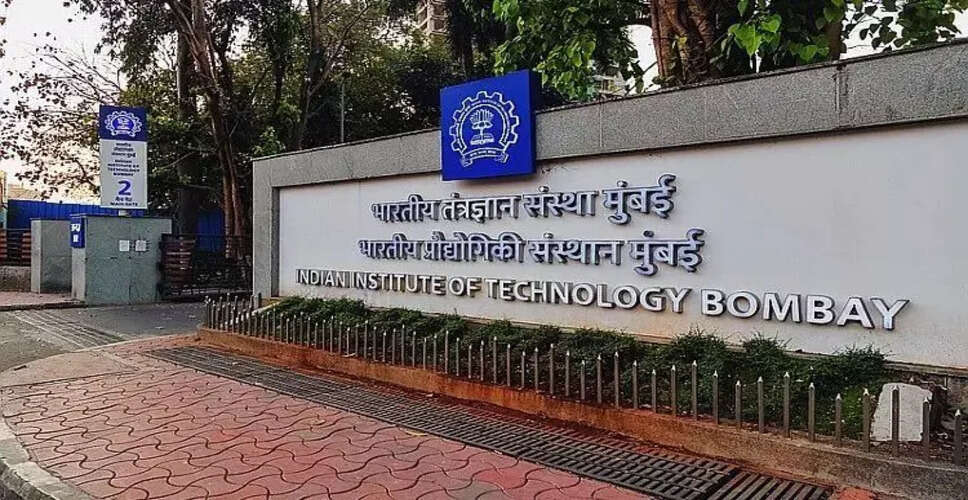
The survey findings come amid renewed concern over student suicides following the deaths of 2 students at IIT Delhi & IIT Bombay. (Representation picture/X)
New Delhi, Sept 29: Recent findings from a nationwide survey reveal that approximately 15% of students in higher educational institutions (HEIs) have felt overwhelmed or distressed in the last six months, while 9% reported having suicidal thoughts, as per a report from a panel appointed by the Supreme Court.
The results, which are part of the upcoming final report from the National Task Force (NTF) on mental health and suicide prevention in HEIs, are expected to be submitted by the end of October.
According to the survey, 15% of students indicated they had experienced significant distress or low moods for several weeks, and 9% reported frequent suicidal thoughts over the past year.
Conducted by the NTF, the survey gathered responses from over 243,000 students, with 67% identifying as belonging to Scheduled Caste (SC), Scheduled Tribe (ST), or Other Backward Class (OBC) categories.
Furthermore, about 34% of participants expressed feelings of being an outsider on campus. The report also highlighted that 56% of students trust their institution's administration to address serious issues fairly, while around 32% noted a lack of counseling services at their institutions.
Officials noted that many respondents voiced concerns regarding academic pressures and job-related anxieties.
Emerging trends suggest a pressing need for standardized support systems for students, which would include faculty training, stigma reduction initiatives, crisis-response protocols, and regular monitoring through quality data to effectively address mental health issues.
In addition to the student survey, the NTF has conducted institutional visits and consultations with stakeholders.
So far, 30 meetings have taken place across 19 institutions in regions including Delhi and NCR, Tamil Nadu, Karnataka, Assam, and West Bengal, covering various types of institutions and disciplines.
However, officials cautioned that the institutional visits do not represent a comprehensive sample due to the limited number of institutions involved.
Despite this, students at many visited institutions shared extensive insights regarding academic, social, mental health, faculty-related, and administrative challenges.
Established by the Supreme Court in March of the previous year, the NTF aims to address the increasing rates of student suicides and mental health issues among students in higher education across the nation. The task force is led by Justice S Ravindra Bhat and includes a panel of experts.
The survey results come at a time of heightened concern over student suicides, particularly following the tragic deaths of two students at IIT Delhi and IIT Bombay, which have sparked widespread discussions about the adequacy of mental health support in elite institutions.