
Mehbooba Mufti Calls for Release of Women Detained During Protests in Kashmir
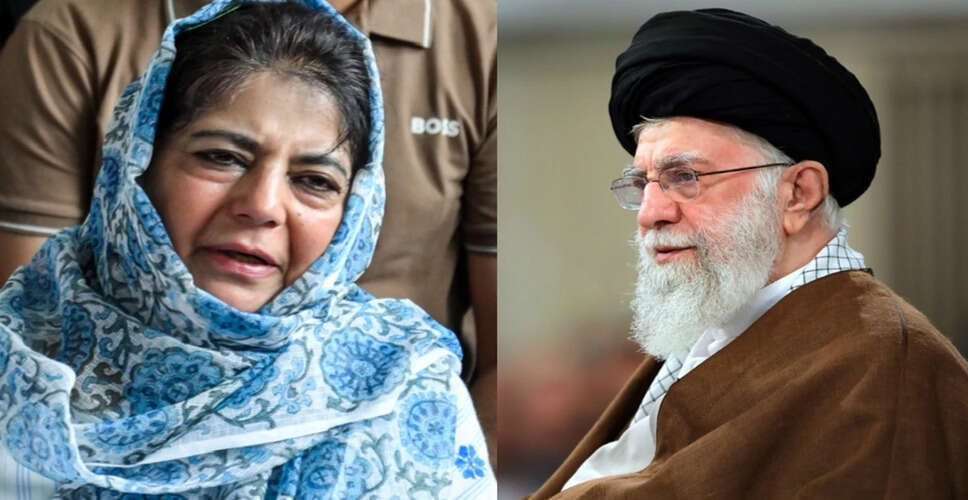
Mufti Urges Police Chief for Compassionate Response
On Monday, Mehbooba Mufti, the president of the People's Democratic Party (PDP), appealed to Nalin Prabhat, the chief of Jammu and Kashmir police, to issue orders for the release of women detained during protests in the Kashmir Valley. These protests erupted in response to the death of Iran's Supreme Leader, Ayatollah Ali Khamenei, following a joint attack by the United States and Israel. Mufti emphasized the need for a compassionate and sensitive approach to this situation, describing it as a time of mourning for the community.
The protests, which were ignited by Khamenei's death, resulted in injuries to at least 14 individuals, including six security personnel.
Mufti's Connection to Ali Khamenei
The relationship between Mehbooba Mufti and Ayatollah Ali Khamenei is rooted in religious empathy, ideological solidarity, and regional politics. In the political landscape of Kashmir, Mufti has often voiced support for significant issues and leaders within the Muslim community. Given the substantial Shia population in Kashmir that regards Khamenei as their spiritual and political guide, her expression of support for him aims to resonate with local sentiments. By mourning Khamenei's 'martyrdom' and advocating for the release of protesters, Mufti not only showcases her alignment with international Islamic concerns but also positions herself as a sensitive and empathetic leader within the Valley.
Why Khamenei's Death is Mourned in India
The mourning of Khamenei's death in India, particularly in regions like Kashmir and Lucknow, is primarily driven by religious and spiritual connections. Shia Muslims view Ayatollah Ali Khamenei not just as Iran's leader but as the 'Wali al-Faqih' (Supreme Religious Authority) for the global Shia community. His passing represents an irreplaceable personal and religious loss for his followers. Consequently, many people across India have taken to the streets to express their grief, waving black flags and protesting against the United States and Israel.