
Meghalaya Faces Alarming Rise in HIV Cases: Urgent Action Required
Rising HIV Cases in Meghalaya
Shillong, June 19: Meghalaya is witnessing a troubling increase of nearly 1,000 new HIV cases annually, placing it sixth in the nation for prevalence rates. This situation has been described as alarming by health officials.
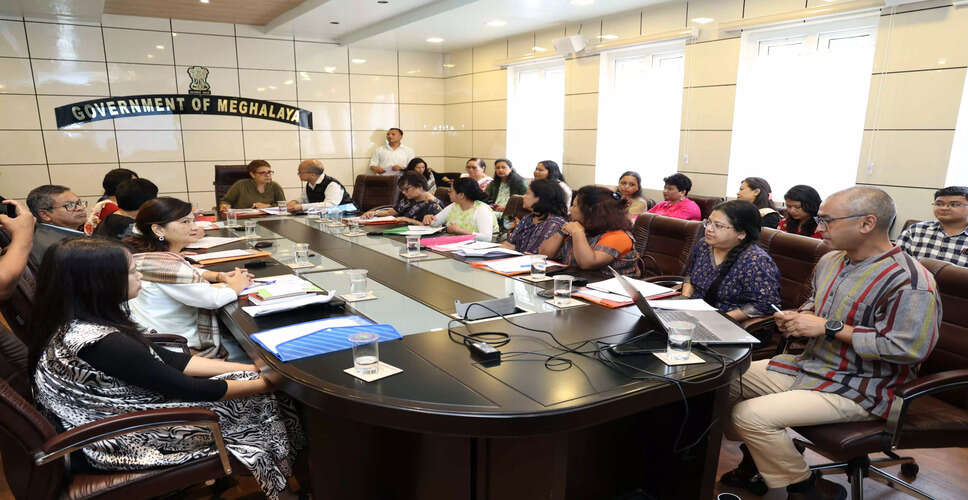
A meeting convened by the Health Department on Tuesday featured State Health Minister Ampareen Lyngdoh, who emphasized the urgent need for heightened awareness regarding the escalating HIV cases in the region.
Lyngdoh pointed out that over the past 19 years, HIV/AIDS cases in the state have surged by 221.1 percent, which is a significant concern. Currently, the state reports a prevalence rate of 0.43 percent, significantly higher than the national average of 0.21 percent.
Officials attribute the spread of the virus primarily to the sharing of contaminated syringes among drug users and unprotected sexual encounters, particularly involving commercial sex workers.
The Health Minister noted that voluntary HIV testing remains a significant challenge in Meghalaya. She warned that individuals who avoid testing not only jeopardize their health but also pose risks to their families.
Moreover, it has been reported that 15-17 percent of individuals diagnosed with HIV have discontinued their treatment. In response, health experts and officials from various sectors are developing strategies to curb the virus's spread throughout the state.
The meeting highlighted the critical need for immediate and focused interventions, engaging local village leaders, faith-based organizations, and all relevant stakeholders to bolster government efforts in raising awareness and promoting preventive measures.
As a first step, the government plans to launch comprehensive public education campaigns aimed at prevention, early detection, and responsible health practices.