
Maulana Shahabuddin Razvi Calls for Mediation Amid Rising Tensions in the Middle East
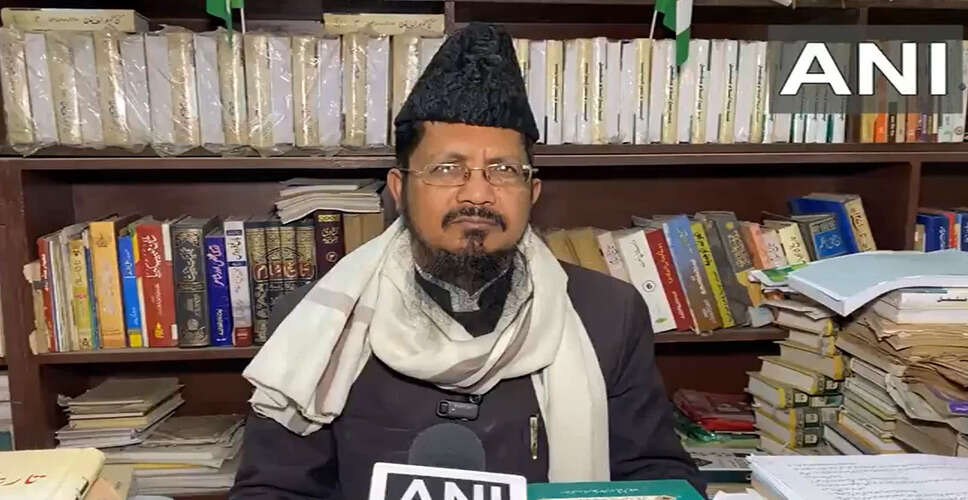
Mediation Urged by Muslim Leader
On Saturday, Maulana Shahabuddin Razvi Bareilvi, the national president of the All India Muslim Jamaat, appealed to Prime Minister Narendra Modi to leverage India's strong ties with the United States, Israel, and Iran to mediate and prevent escalating tensions. Speaking in Bareilly, Uttar Pradesh, he emphasized that war is not a solution and advocated for dialogue as a means to resolve conflicts. He praised Iran's stance, stating that it has diminished America's pride and shattered Israel's arrogance.
Dialogue Over War
In an interview, Razvi expressed that war does not resolve any issues. He stated, "The solution lies in dialogue, and problems should only be addressed through conversation... By refusing to back down, Iran has crushed America's pride and Israel's arrogance. The U.S. is angered by a poor country's retaliation, and Israel is in fear, leading them to desire a coup in Iran, which is unlikely to happen." Given India's balanced relations with the countries involved in the conflict, Razvi urged Prime Minister Modi to mediate. He remarked, "I want to tell Prime Minister Modi that he has good relations with the U.S., Israel, and Iran, and based on these relationships, he should mediate to halt this war."
Growing Concerns Amid Regional Tensions
This statement comes amid escalating tensions between Iran and Israel, raising concerns about the potential for widespread conflict. Concurrently, Iran is observing a 40-day national mourning period following the death of Ayatollah Ali Khamenei, leading to widespread grief and protests across the nation. The office of the Supreme Leader has declared a national mourning period, during which flags are flown at half-mast, and public gatherings are being organized to pay tribute. Khamenei, who succeeded the founder of the revolution, Ruhollah Khomeini, has led Iran since 1989 with unwavering resistance against Western influence.