
Massive Protests in London: A Day of Division and Unity

Large Gatherings in Central London
On Saturday, central London witnessed a significant turnout as tens of thousands participated in two opposing demonstrations, leading to one of the most extensive police operations in recent memory. The 'Unite the Kingdom' rally, spearheaded by far-right activist Tommy Robinson, attracted a large crowd brandishing Union Jack flags and chanting demands for the resignation of Labour leader Keir Starmer. Many attendees donned 'Make England Great Again' hats, voicing their concerns regarding immigration, issues affecting the white working class, and their discontent with the current government.
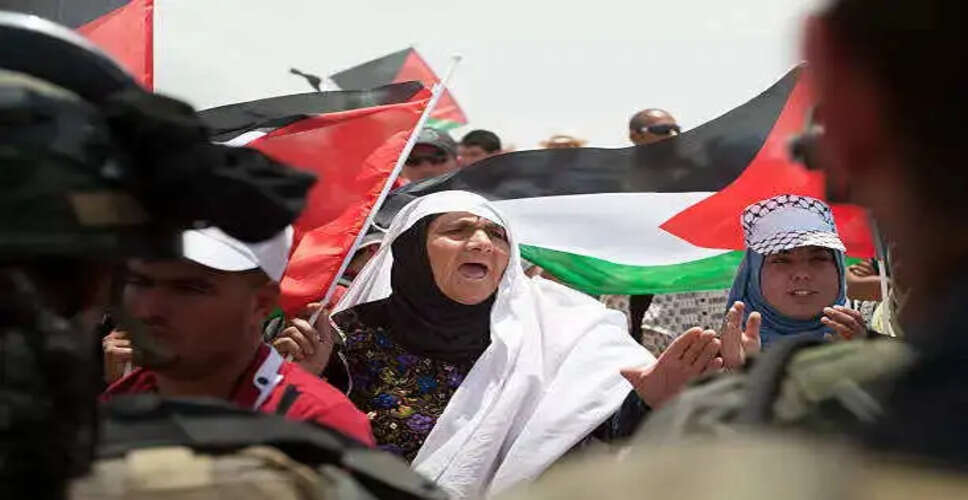
In contrast, a pro-Palestinian march commemorating Nakba Day commenced in Kensington and concluded with a rally at Waterloo Place. Participants waved Palestinian flags and displayed placards with messages like 'Free Palestine' and 'Unity over Division.' Many attendees characterized the event as anti-genocide and anti-fascist, emphasizing its annual significance and its independence from the other protest.
Extensive Police Presence
To manage the situation, over 4,000 police officers were deployed throughout London, establishing a 'sterile zone' to separate the two events and mitigate potential conflicts. Authorities utilized drones, police horses, dogs, and armored vehicles for crowd control. Live facial recognition technology was also implemented at key transport hubs, including Euston and King’s Cross stations. By early afternoon, the Metropolitan Police reported a total of 11 arrests, describing the operation as one of the most significant in years, with an estimated cost of £4.5 million.
Political Responses
Prime Minister Keir Starmer criticized the Unite the Kingdom rally, asserting that its organizers were spreading hatred and division. Home Secretary Shabana Mahmood acknowledged the importance of the right to protest as a democratic principle but cautioned that those inciting hate or violence would face legal consequences. The Crown Prosecution Service also issued new guidelines urging prosecutors to evaluate whether certain placards, banners, or chants could be interpreted as inciting hatred, particularly concerning references to 'intifada.'
Coinciding Events and Tensions
The protests coincided with the FA Cup Final at Wembley Stadium, further straining transport and policing resources. Authorities barred eleven foreign 'far-right agitators,' including US influencer Valentina Gomez, from entering the UK to attend the Unite the Kingdom rally. This event marked the second occurrence of the Unite the Kingdom rally, following a similar gathering last September. While organizers touted it as the 'greatest patriotic display the world has ever seen,' critics accused it of fostering division. Fortunately, the day concluded without major clashes, although tensions remained palpable across the capital.