
Massive Drone Assault by Russia Targets Ukraine Amid Ceasefire Breakdown

Overview of the Drone Attack
On May 13, Russia executed one of its most extensive drone offensives against Ukraine since the conflict began, deploying over 800 drones in a significant daytime strike that resulted in at least six fatalities and numerous injuries nationwide. This assault followed the conclusion of a brief ceasefire mediated by the US just days prior.
Ukrainian President Volodymyr Zelenskyy reported that waves of drones were launched starting at midnight, with a focus on western regions of Ukraine that are adjacent to NATO borders. By Wednesday evening, Ukrainian officials indicated that Moscow had utilized at least 892 drones, with assaults persisting into the night.
Impact on Infrastructure and Civilian Areas
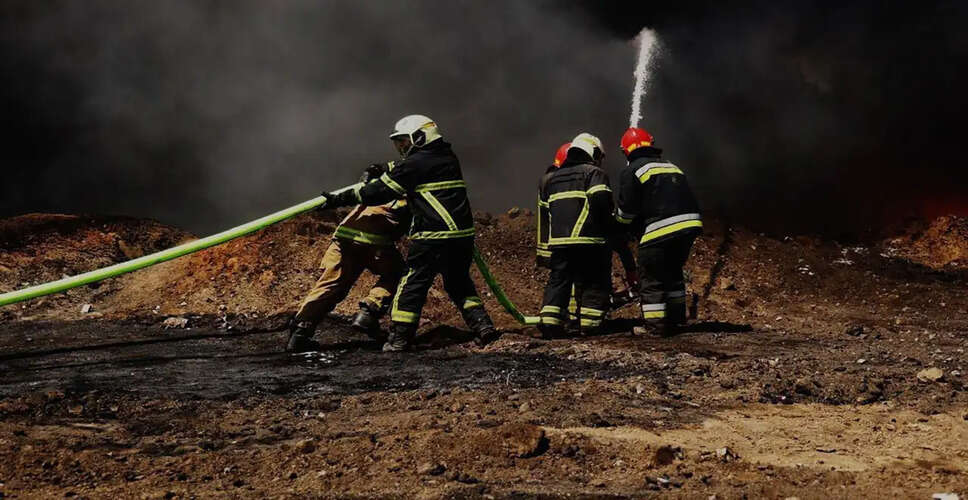
The drone strikes primarily targeted essential infrastructure, including railway systems, energy facilities, government buildings, and defense industry locations. Reports indicated that Ukraine's railway infrastructure suffered 23 hits, damaging trains, depots, and bridges, although rail services continued to operate. Additionally, Naftogaz, the state-owned energy company, reported damage to two of its facilities located in the Kharkiv and Zhytomyr regions.
Regional officials noted that strikes occurred throughout western Ukraine, with three casualties reported in the Rivne region. The town of Zhovkva experienced significant power outages due to the attacks, and residential buildings in Ivano-Frankivsk were also affected. Officials in Zakarpattia characterized this as the most intense assault on the far-western region since the onset of Russia's full-scale invasion in 2022.
Military and Regional Responses
Ukraine's military intelligence agency, HUR, suggested that the operation aimed to overwhelm Ukrainian air defenses in anticipation of potential missile strikes. Defense adviser Serhiy Beskrestnov noted that many drones approached the Belarus border before heading towards western Ukraine.
The strikes prompted reactions from neighboring countries. Poland deployed fighter jets as a precaution due to the attacks' proximity to NATO territory. Hungary condemned the strikes affecting ethnic Hungarian regions in western Ukraine and summoned the Russian ambassador, while Slovakia temporarily closed border crossings with Ukraine for security reasons.
In response, Russia claimed to have intercepted 286 Ukrainian drones over its territory, including areas in Crimea, the Azov Sea, and the Black Sea.