
Mass Protest in Delhi Raises Questions on Police Preparedness

A History of Protests in Delhi
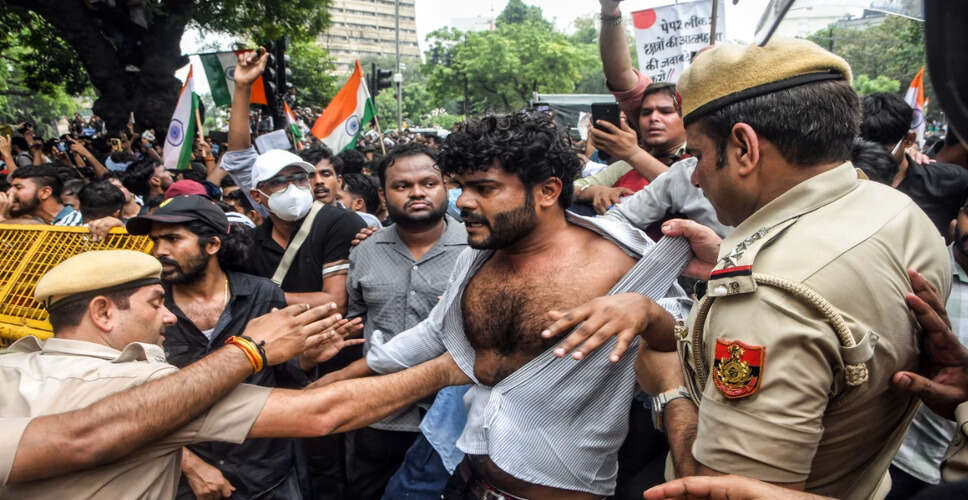
The Nirbhaya movement of 2012, the tractor rally in 2021, and now the protest in 2026—over the past fifteen years, Delhi has witnessed some of the most significant and unprecedented public movements in the country. However, the events of July 20 have once again cast doubt on the intelligence capabilities of the Delhi police and the effectiveness of the administration. Under the banner of the Cockroach People's Party (CJP), the scale of the protest caught the police off guard. Their attempt to manage the crowd with insufficient personnel resulted in direct clashes, leaving nearly 200 individuals injured.
Where Did the Police Go Wrong?
It was already known that a 'March to Parliament' would take place on July 20, demanding reforms in the education system. The CJP's movement had been ongoing for over a month. Despite this, thousands of protesters managed to reach the gates of Parliament, where they faced baton charges and tear gas. While police reported around 60 injuries, the actual number was likely double, totaling 118. This indicates a clear failure on the part of the police to accurately gauge the number of participants in the march.
The Genesis of the Cockroach Protest
The call for a march to Parliament was made about three weeks prior by the CJP, a satirical movement initiated by Abhijit Dipke. On June 28, activist Sonam Wangchuk began an indefinite hunger strike demanding the resignation of Union Education Minister Dharmendra Pradhan over the NEET-UG paper leak issue. Initially, the protest did not gain much traction. However, on July 18, the first sign of government intervention occurred when police removed Wangchuk and dramatically transported him to Safdarjung Hospital. Instead of quelling the movement, this action only fueled it further. By Sunday evening, the number of supporters at Jantar Mantar surged from 3,000 to nearly 5,000. According to a report by a major news outlet, the Delhi police were aware that the crowd could reach around 7,000 to 8,000 people. Yet, on Monday, nearly 100,000 protesters gathered on the roads leading to Parliament.
Was the Strategy to Disperse a Few?
The Delhi police stated that the CJP had neither sought permission nor received approval for the march to Parliament. Nevertheless, this did not deter the protesters, who included students, parents, and young professionals from various sectors. Many teenagers aged between 12 and 17 participated, some admitting to lying to their families to join the protest. Reports indicated that several female protesters and students traveled in groups from neighboring states or connected with other participants via WhatsApp. The wave of dissent from Jantar Mantar undermined all claims made by the administration. The Ministry of Home Affairs and security agencies believed that the youth's protest would fizzle out over time. However, as the crowd swelled, five metro stations had to be closed, causing significant disruption for the public. The pressing question remains: Did the government misjudge the growing discontent among students and youth?