
Manish Sisodia Declares Satyagraha Against Judge in Delhi High Court Case
In a dramatic turn of events, Manish Sisodia has announced a satyagraha against Justice Swarn Kanta Sharma of the Delhi High Court, refusing to appear in court for the excise policy case. This decision follows allegations of conflict of interest involving Solicitor General Tushar Mehta. Sisodia's actions, supported by Arvind Kejriwal, raise significant questions about the judicial process and the implications of their non-appearance. Legal experts warn of potential repercussions, including warrants, as the political leaders navigate this contentious legal battle.
| Apr 28, 2026, 14:52 IST
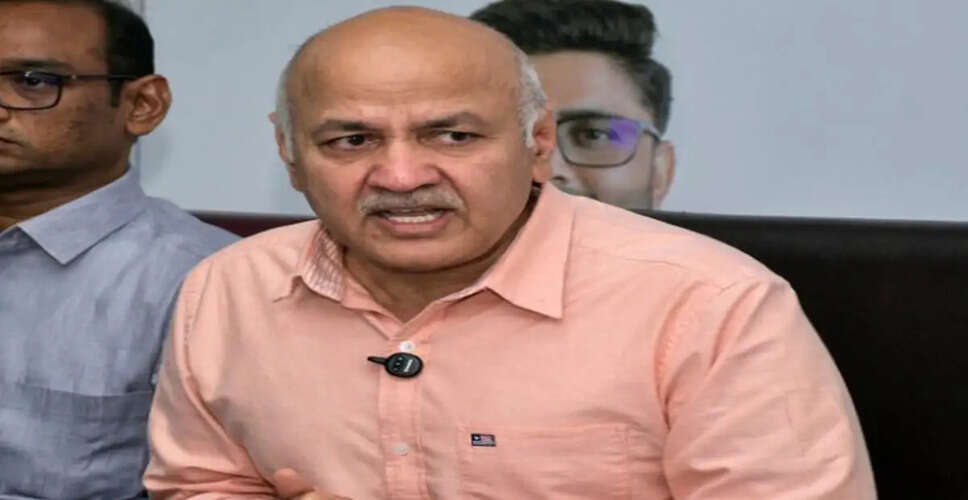

Sisodia's Bold Move in Court Case
Manish Sisodia, the former Deputy Chief Minister of Delhi, has taken a significant step by writing to Justice Swarn Kanta Sharma of the Delhi High Court, following the path of AAP leader Arvind Kejriwal's satyagraha. In his letter, Sisodia stated that neither he nor his lawyer would appear in court regarding the excise policy case. He expressed a loss of faith in Justice Sharma and indicated that he had no option but to resort to satyagraha. Sisodia claimed that he does not expect to receive justice from Justice Sharma, asserting that "the future of his children lies in the hands of Solicitor General Tushar Mehta."
Allegations of Conflict of Interest
In his letter to Justice Sharma on Monday, Kejriwal accused her of a 'conflict of interest.' He pointed out that his children, who work as panel lawyers for the central government, have professional ties with Solicitor General Tushar Mehta, who is representing the opposition in this case. Kejriwal wrote that he has informed Justice Sharma that, adhering to the Gandhian principles of satyagraha, it would not be feasible for him to proceed with the case in her court, whether in person or through a lawyer. He emphasized that he would not appear before Justice Sharma in the excise policy matter, labeling the decision to continue the hearing as a serious miscarriage of justice.
Legal Implications of Non-Appearance
These letters from Kejriwal and Sisodia came shortly after Justice Sharma rejected their request to recuse herself from the case. Kejriwal stated that he would not appear before the judge, either personally or through legal representation. He also mentioned that he is keeping his legal options open and reserves the right to appeal against Justice Sharma's orders in the Supreme Court. However, legal experts have warned that failing to appear could lead to severe consequences, including the issuance of warrants against them.