
Manipur Child Rights Commission Takes Action Against Graphic Content Circulation

MCPCR Responds to Graphic Content Concerns
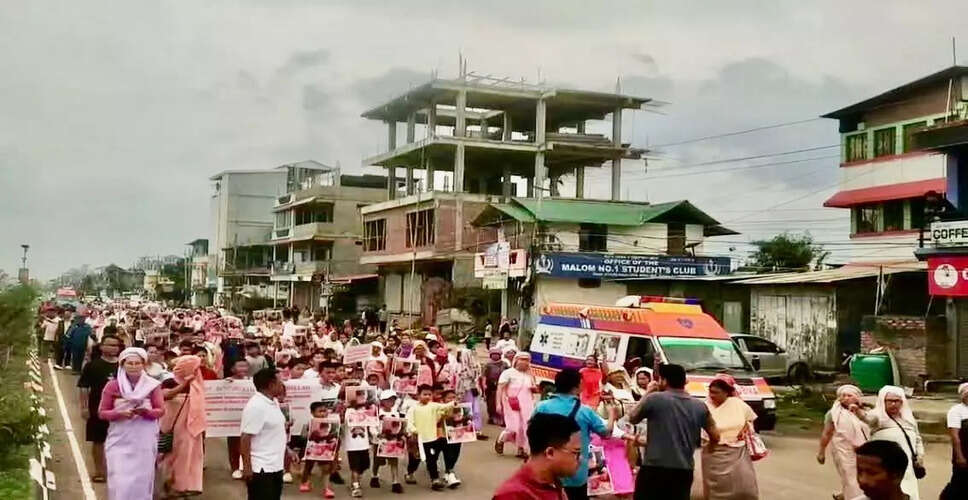
A file image of children, holding posters of the two minors killed in Bishnupur blast, attend a rally near Kwakeithel, on April 9. (Photo)
Imphal, Apr 11: The Manipur Commission for Protection of Child Rights (MCPCR) has issued a formal notice in response to the alarming spread of graphic images and videos depicting child victims from recent tragic events in the state.
In a notice dated April 10, the Commission expressed deep concern regarding the circulation of materials related to two minor children who lost their lives in the April 7 incident in Tronglaobi, as well as a minor girl whose body was found under Singjamei Bridge on April 6.
The Commission emphasized that the publication and sharing of such content in a disrespectful manner constitutes a severe violation of child rights, dignity, and privacy, which is punishable under various legal frameworks.
Labeling these actions as “secondary victimization” and a significant breach of ethical and legal standards, the MCPCR has instructed all individuals, social media users, and media outlets to promptly remove such content and avoid further dissemination of any material that reveals the identities or portrays the victims inappropriately.
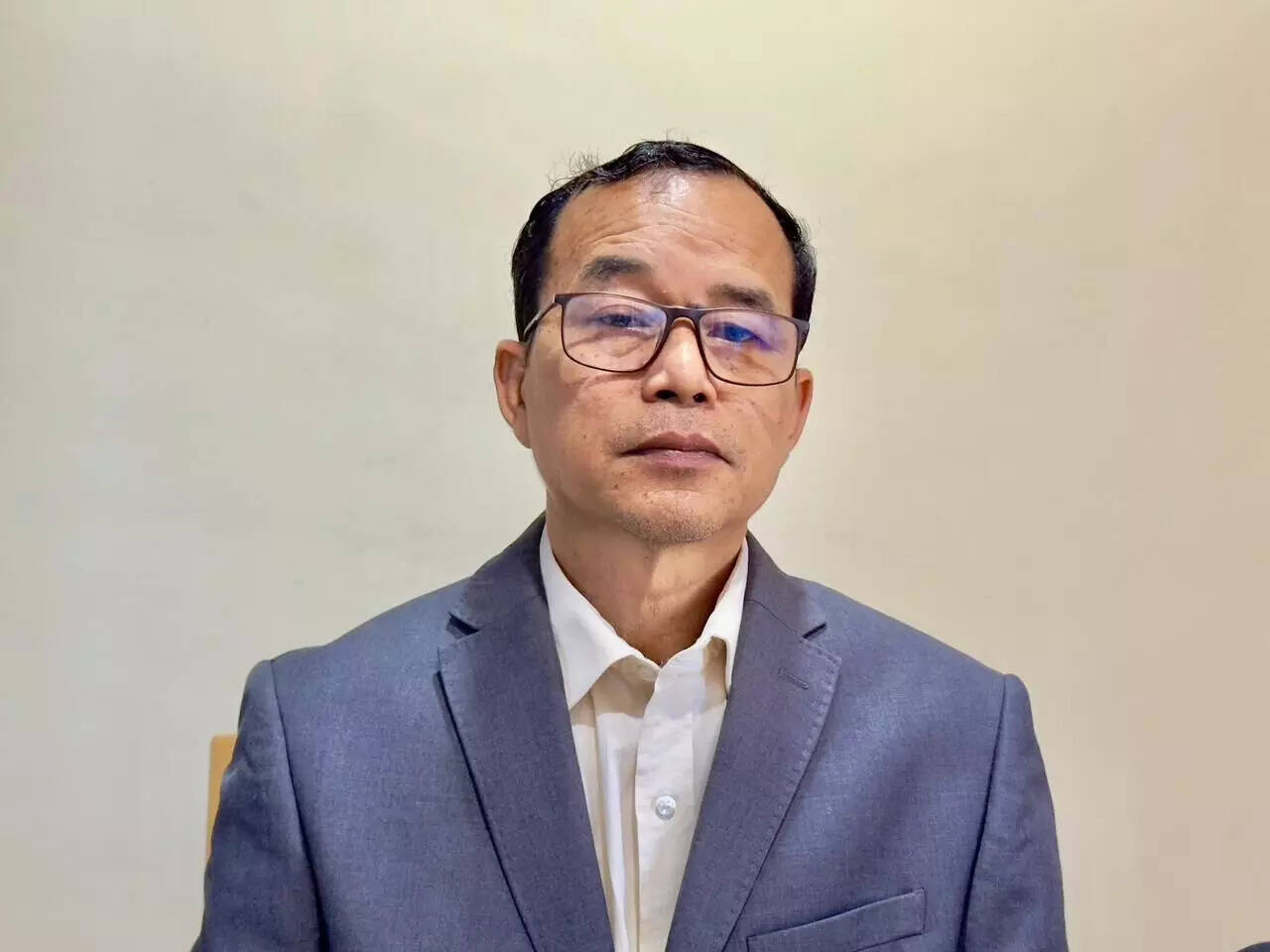
Chairman of the Manipur Commission for Protection of Child Rights, Kelsam Pradipkumar. (Photo)
Following the issuance of the statutory notice, Kelsam Pradipkumar, the Chairman of the MCPCR, elaborated on the reasons behind this action and the measures taken thus far. Here are some highlights from an interview…
Media House: The Commission has taken suo motu cognizance regarding the circulation of graphic content of child victims. What steps have been taken so far?
Pradipkumar: The suo motu cognizance was prompted by the overwhelming flow of images, videos, and photographs of the minors who died in Tronglaobi on April 7, along with a minor girl whose body was discovered on April 6 following a horrific crime. These incidents are profoundly traumatic, and we noted that certain social media users and digital platforms were neglecting established ethical standards and legal requirements.
Media House: Which laws are being violated in such cases?
Pradipkumar: These actions contravene the guidelines set by the Press Council of India, provisions under the POCSO Act, the Juvenile Justice Act, and other criminal statutes. It is imperative to safeguard children at all times; whether they are alive, injured, or deceased. Even a deceased body deserves dignity, and its exploitation is intolerable.
Media House: Some argue that sharing such content aids in seeking justice. What is your stance?
Pradipkumar: We are not obstructing justice or aiding offenders. The justice system operates through proper investigations and court processes. Evidence should be presented to investigative bodies like the NIA or in court. Unrestricted sharing on social media only undermines the dignity of victims and impacts their families negatively.
Media House: Has the Commission communicated this notice to relevant authorities?
Pradipkumar: Yes, we have already informed the DGP of Manipur, the SP of Cyber Crime, the Director of Information and Public Relations (DIPR), and the Director of the Social Welfare Department. Cybercrime authorities play a crucial role in addressing these violations and ensuring that illegal online activities are curtailed.
Media House: What message do you have for media and social media users?
Pradipkumar: We advocate for responsible reporting and for those genuinely pursuing justice. However, we are concerned about individuals who share such content for personal gain or to make their posts viral. This behavior must cease. It is essential to consider whether such actions constitute secondary victimization.
Media House: Why do such incidents continue to occur? Is it due to a lack of awareness or enforcement?
Pradipkumar: It is primarily due to ignorance. Many individuals believe they are exercising their freedom of expression. However, freedom of expression is not absolute; it comes with legal and ethical limitations. The privacy and dignity of victims must always be upheld.