
Mandi Celebrates Sair: A Festival of Tradition and Gratitude
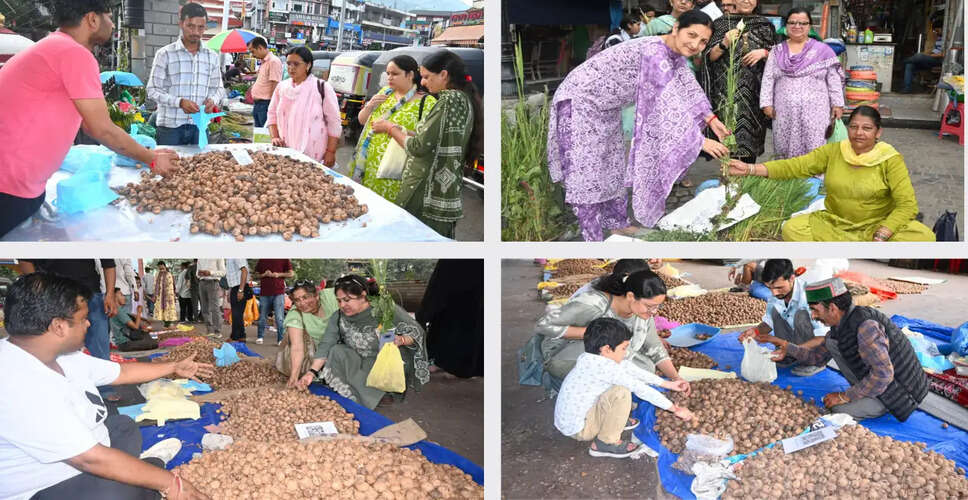

Mandi Welcomes Sair with Tradition and Festivity
Walnuts, sacred durba grass, and seasonal offerings return to homes as the hill district marks the transition from monsoon to autumn
Munish Sood
Mandi
The aroma of traditional dishes, baskets filled with walnuts in local markets, and the sight of durba grass are reviving the festive spirit in Mandi as the region gears up to celebrate Sair on Thursday.
Sair is not merely a seasonal event; it embodies a rich cultural heritage through which generations of families in Mandi have welcomed seasonal changes, expressed gratitude for the harvest, and sought blessings for health, happiness, and prosperity.
The local administration has announced September 17, 2026, as a public holiday in honor of Sair.
On the eve of the festival, Mandi's markets buzzed with activity as families rushed to buy walnuts, pethu, and other items essential for Sair rituals. For many, these preparations are integral to the festival, a tradition passed down through generations.
As the harvest season approaches, Sair signifies the retreat of monsoon rains and the agricultural landscape's readiness for the upcoming year. The festival is traditionally associated with the arrival of new seasonal produce and the completion of significant farming tasks.
During the Sair puja, families place seasonal produce before their deities. Offerings may include maize, paddy, sesame, galgal, walnuts, and other locally sourced items, varying by region.
The underlying message is clear: the first portion of the harvest is dedicated to the divine before it reaches the family table.
This festival also marks the commencement of agricultural activities related to maize and paddy harvesting, as well as grass cutting in rural areas.
A cherished tradition of Sair involves the exchange of walnuts and durba grass among family members and friends.
Younger family members approach their elders with durba and walnuts, seeking their blessings, while elders reciprocate with wishes for health, prosperity, and happiness.
This simple exchange encapsulates the essence of Sair.
No elaborate rituals are necessary; just a few walnuts, a handful of sacred grass, and the blessings of an elder forge connections across generations.
For children, walnuts have also been a source of play. In various rural areas of Mandi, the festival is linked to walnut games, adding a playful dimension to the day alongside its religious and familial significance.
Food plays a vital role in defining the festival's character.
Families traditionally prepare special dishes using local ingredients, transforming the Sair celebration into a communal feast. Seasonal delicacies are shared among relatives, enhancing the warmth of a festival deeply rooted in home and community.
For older generations, these preparations evoke memories of a time when festivals were celebrated not through commercial means but with family gatherings, home-cooked meals, and rituals followed from memory.
Despite the changes in modern lifestyles, Sair remains a significant event in Mandi's cultural calendar.
Its enduring appeal lies in its simplicity, connecting the fields to families, the harvest to gratitude, and children to their elders.
As Mandi prepares for Sair on Thursday, walnuts will be exchanged, durba will be offered with prayers, and traditional dishes will bring families together.
For a district renowned for its rich cultural heritage, Sair serves as a reminder that some traditions endure not through formal preservation but because each generation chooses to celebrate them anew.