
Major Naxalite Operations in Chhattisgarh Result in 14 Deaths
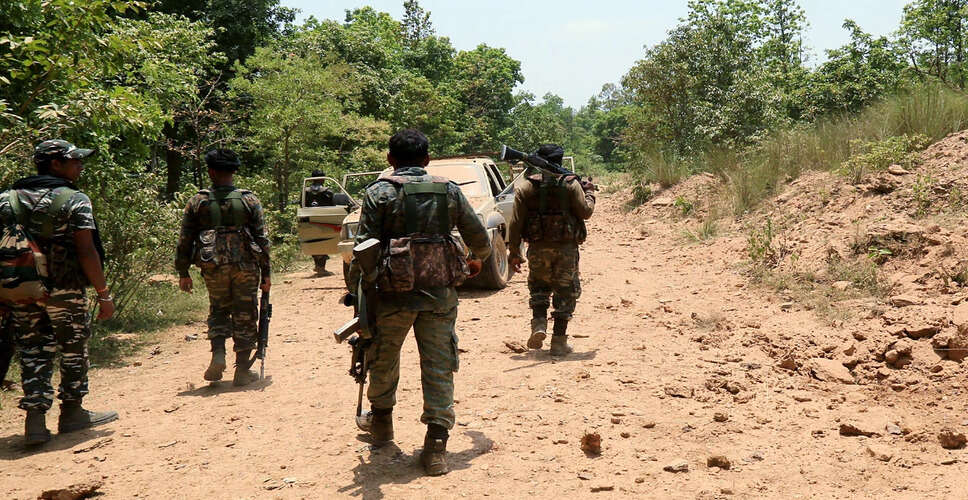
Significant Encounters in Chhattisgarh
On Saturday, security forces in Chhattisgarh engaged in two separate encounters, leading to the deaths of at least 14 Naxalites. During an anti-Naxal operation in the Bastar region, the forces recovered the bodies of 14 Maoists, with two from Bijapur district and twelve from Sukma district. The search operation was initiated following credible intelligence regarding the presence of armed Maoists in the southern parts of Bastar. Teams from the District Reserve Guard (DRG) were deployed in the area. Encounters between the DRG and Maoists have been ongoing since around 5:00 AM in Bijapur and 8:00 AM in Sukma.
Seizures and Ongoing Operations
A substantial cache of weapons was seized from the encounter sites, including AK-47s, INSAS rifles, and SLR rifles. An official reported that earlier on Saturday, two Maoists were killed in an encounter with the DRG in Bijapur. The security forces commenced a search operation in the southern region of Bijapur, deploying a DRG team in the southern Bastar area.
Continued Clashes and Progress in Bastar
According to P. Sundararaj, Inspector General of Police for the Bastar range, intermittent gunfire between DRG personnel and Maoists has persisted since around 5 AM. During the search operation, the bodies of two Maoists were recovered from the encounter site. The year 2025 has been marked as a historic and decisive year for the Bastar range, showcasing significant advancements in security, peace, welfare, and development.
Impact of Anti-Maoist Campaigns
The outcomes of decisive anti-Maoist campaigns have led to the dismantling of top Maoist leadership, substantial weapon recoveries, and the safe surrender of senior cadres. These developments have laid a strong foundation for lasting peace in the region. The statement highlighted that strengthening the security environment in 2025 has had a clear and positive impact on the overall development and public welfare in the Bastar range. The expansion of infrastructure such as roads, communication, healthcare, and education has been ensured, along with the effective distribution of government welfare schemes in remote areas.