
Major Drug Syndicate Figure Salim Dola Deported: A Turning Point in India's Fight Against Narcotics
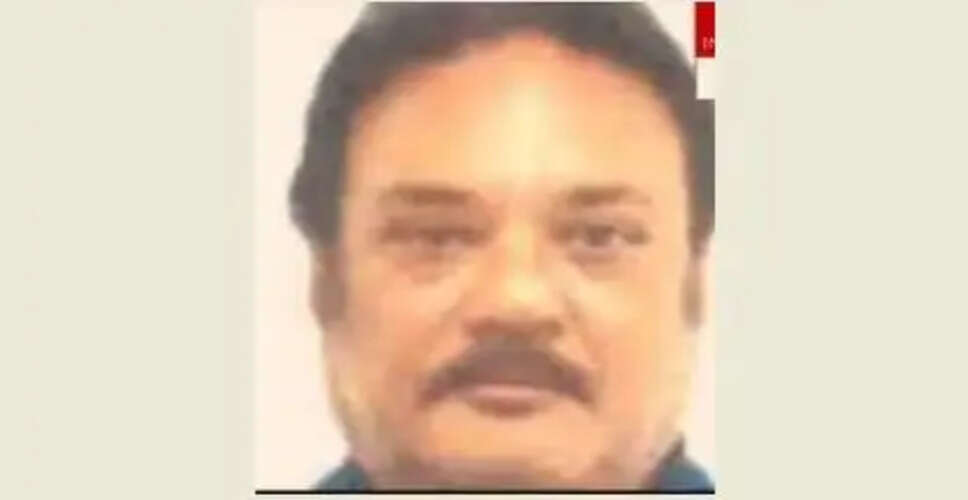

Salim Dola's Deportation: A Significant Development
In a pivotal move for Indian law enforcement, Salim Dola, an associate of notorious gangster Dawood Ibrahim and a prominent figure in a global drug trafficking network, was deported on Tuesday. This operation represents a significant advancement in the nation's ongoing efforts to combat international narcotics operations.
Sources indicate that Dola arrived at Delhi airport early in the morning on a special flight, following a meticulously coordinated effort between Indian intelligence and their global counterparts. Officials confirmed that this deportation was the result of extensive collaboration among various agencies across different jurisdictions.
Currently, Dola is undergoing interrogation by intelligence officials in Delhi and is set to be transferred to the Narcotics Control Bureau (NCB) in Mumbai for further questioning. He is anticipated to be interrogated regarding multiple cases tied to large-scale drug trafficking and international smuggling activities.
Dola was apprehended in Istanbul, Turkey, through a joint operation involving local law enforcement and intelligence agencies. His arrest stemmed from an Interpol Red Corner Notice requested by the Central Bureau of Investigation (CBI). Indian authorities, particularly the Mumbai Police, had long sought his custody due to his involvement in numerous narcotics-related offenses.
The deportation of Salim Dola follows a series of significant actions taken by Indian agencies against this drug network. In June 2025, his son, Taher Dola, was extradited from the UAE, and shortly after, another associate, Salim Mohammed Sohail Shaikh, was deported from Dubai and subsequently arrested by the Mumbai Anti-Narcotics Cell. These events highlight a concerted effort to dismantle a network engaged in extensive criminal activities, including drug manufacturing and trafficking.
Officials estimate that Dola managed a drug empire valued at around Rs 5,000 crore, positioning him as a key player within the syndicate. His capture is viewed as a substantial setback not only for the Dawood Ibrahim network but also for its alleged financial operations. Investigators suspect that the profits from drug trafficking were utilized to support activities harmful to India's security.
Security analysts stress that breaking down narcotics networks is vital for counter-terrorism initiatives, as these syndicates often provide financial support for extremist activities. The arrests of Dola, his son, and close associates indicate a gradual weakening of the syndicate's operations.
Investigations have uncovered that the network operated a sophisticated synthetic drug trafficking system across multiple countries, establishing laboratories and production facilities in various regions of India to manufacture and distribute illegal drugs.
Born in Mumbai in 1966, Dola became involved in the underworld at a young age, closely collaborating with Dawood's right-hand man, Chhota Shakeel. His criminal activities began with the supply of ghutkha, later expanding to the smuggling of marijuana. In 2012, he was arrested by the NCB after being found in possession of 80 grams of weed, spending five years in prison before being acquitted.
Following his release, he established a drug manufacturing unit for a synthetic drug known as Button, derived from fentanyl. In 2018, he was arrested again in Santa Cruz, Mumbai, after authorities seized 100 kg of fentanyl from him. However, he was released on bail after four months when forensic tests returned negative results for the seized samples. He subsequently fled to the UAE while on bail.