
Maharashtra Government to Introduce New Cooperation Policy for Sector Growth
New Cooperation Policy Announcement
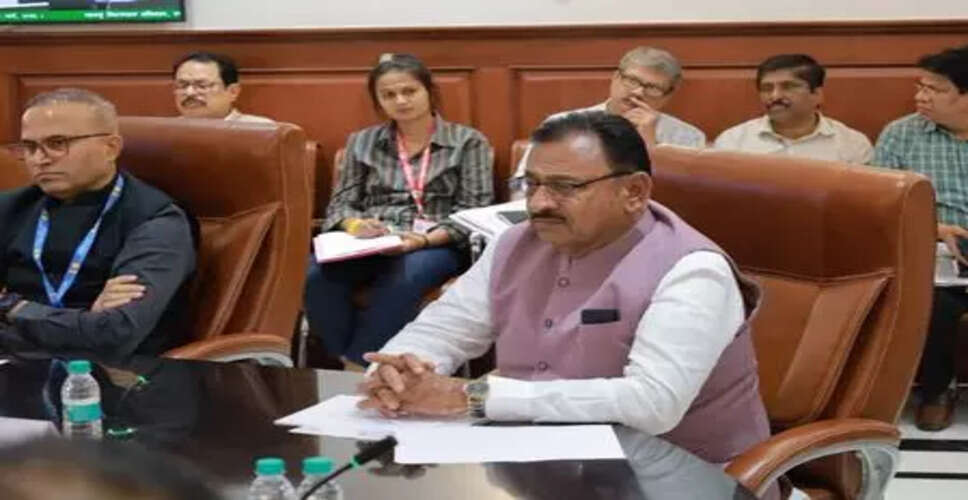
Mumbai, March 24: Babasaheb Patil, the Maharashtra Minister of Cooperation, revealed in the State Council on Tuesday that a new, comprehensive cooperation policy will soon be unveiled to enhance the sector's development.
Patil described the cooperative sector as a key model for social and economic change.
This announcement came during a brief discussion led by member Pravin Darekar under Rule 97.
The Minister informed the House that a committee consisting of 15 members has been formed to create the new policy.
Meetings will take place in various regions, including Mumbai and Nagpur, to gather insights from experts, seasoned activists, and the youth. The new policy will focus on transparency, efficiency, and sustainable growth.
He highlighted that the cooperative movement serves as the backbone of the rural economy, with around 2.33 lakh cooperative societies operating in the state.
This extensive network encompasses apex institutions, District Central Co-operative Banks (DCCBs), primary agricultural credit societies, urban banks, sugar factories, and housing societies.
Patil noted that the state government is bolstering the sector through interest subsidies for DCCBs, grants for primary institutions, interest rebates for farmers who reliably repay crop loans, digitization of cooperative societies, and funding from the National Cooperative Development Corporation (NCDC) for various initiatives.
At present, there are 128 cooperative and 134 private sugar factories in operation. The Fair and Remunerative Price (FRP) regulations are in place to safeguard farmers' interests.
Through the Vasantdada Sugar Institute, farmers will receive modern machinery and direct guidance in the field to boost productivity and extend the crushing season.
Additionally, financial support is being extended to struggling DCCBs.
The redevelopment of housing societies has also been expedited, featuring enhanced grievance redressal systems and quicker decision-making processes.
In conclusion, Minister Patil asserted that the cooperative movement is poised to significantly contribute to future job creation.
He reiterated the government's dedication to strengthening sectors such as dairy and fisheries through cooperatives, ensuring that this movement remains a vital component of the state's development.