
Maharashtra Government and Mercedes-Benz Launch Zero Fatality Corridor Initiative
Introduction to the Zero Fatality Corridor Initiative
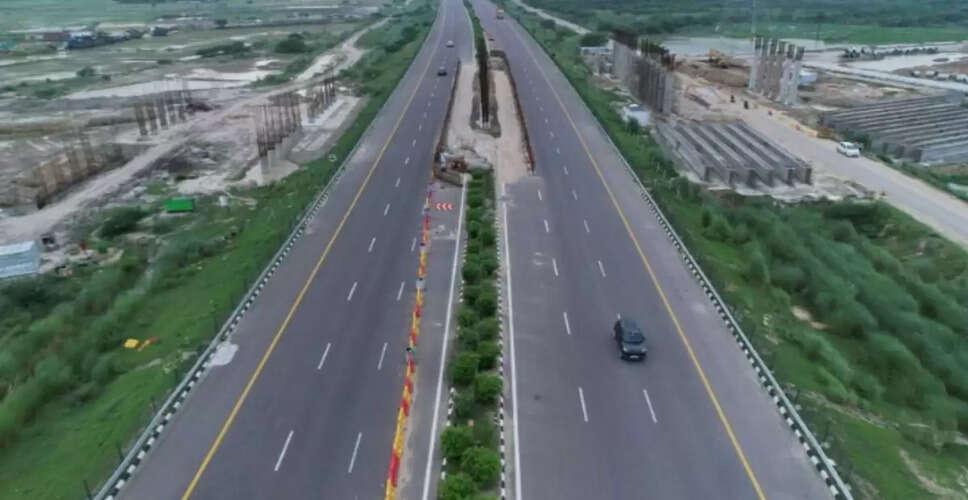
The Maharashtra government has teamed up with Mercedes-Benz India and the NGO SaveLIFE Foundation to introduce the ambitious 'Zero Fatality Corridor' (ZFC) initiative. This project aims to enhance road safety along the 701-kilometer Mumbai-Nagpur Expressway, officially known as the Hindu Hrudaysamrat Balasaheb Thackeray Maharashtra Samruddhi Mahamarg.
Project Launch and Objectives
In March 2025, Mercedes-Benz India initiated this project using its corporate social responsibility (CSR) resources, focusing on reducing road accident fatalities through four key strategies: engineering, enforcement, emergency care, and education. The Maharashtra State Road Development Corporation (MSRDC), highway police, and the health department are collaborating on this initiative.
Details from SaveLIFE Foundation
SaveLIFE Foundation, in collaboration with Maharashtra State Road Development Corporation Limited (MSRDC) and Mercedes-Benz India (@MercedesBenzInd ), has launched a pioneering road safety project on the 700-km Mumbai-Nagpur Expressway, also known as the Hindu Hrudaysamrat… pic.twitter.com/CadL7ofsgh
— SaveLIFE Foundation (SLF) (@savelifeindia) April 11, 2025
According to SaveLIFE Foundation, this project addresses the increasing risks associated with highway hypnosis, a state where drivers lose focus due to monotonous road conditions. The initiative not only targets highway hypnosis but also tackles issues like driver fatigue, speeding, and poor visibility, which contribute to serious accidents on the expressway.
Statements from Officials
Maharashtra Chief Minister Devendra Fadnavis emphasized that this partnership not only confronts existing safety challenges but also establishes a national standard that could be replicated on other high-risk corridors throughout Maharashtra.
Impact on Road Safety
From 2023 to early 2024, fatalities on the expressway decreased by 29%, dropping from 151 to 107. Authorities have identified 'High Fatality Zones' that, despite occupying only 17% of the roadway, account for 39% of all accident causes.
Recent safety enhancements include the installation of speed detection cameras, reflective signage, lane guidance, and Variable Message Signs (VASS). Additionally, training has been provided to several officers to handle emergencies, and hospitals in Vaijapur and Jalna have received upgrades, with 90 first responders trained in Basic Trauma Life Support (BTLS).
Future Prospects
As the final phase of construction progresses, officials are optimistic that this initiative will significantly reduce fatalities by 2026. The Samruddhi model demonstrates that improving road safety in India relies on strategic community partnerships and the implementation of innovative technologies, prioritizing life preservation over merely reducing vehicle emissions.