
Maharashtra CM Advocates Marathi Learning Amid Controversy

Call for Marathi Language Learning
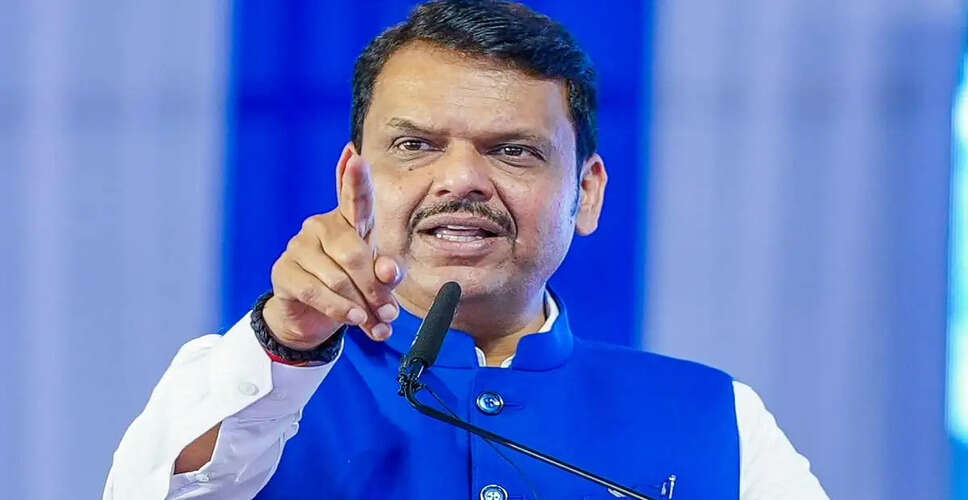
On Friday, Maharashtra's Chief Minister Devendra Fadnavis urged the state's residents to make an effort to learn Marathi. He emphasized that violence in the name of language is unacceptable. This statement comes in light of the state government's directive making Marathi mandatory for auto rickshaw and taxi drivers.
Political Reactions to the Decision
The BJP government's decision has sparked sharp reactions in the political circles of Bihar and Uttar Pradesh. Rajiv Ranjan Prasad, the national spokesperson for the BJP's ally party JDU, remarked that while the Maharashtra government's decision may assist local residents, many non-Marathi taxi drivers have been living there for years. He suggested that these drivers should be given ample time to learn Marathi.
Concerns Over Language Mandates
Sanjay Nishad, a minister in the Uttar Pradesh government and leader of the NDA ally Nishad Party, stated that knowing a regional language is one thing, but making it mandatory is another. He argued that if the government intends to implement such rules, it should first provide training in the regional language. He also expressed that such restrictions are inappropriate as they disrupt harmony. Opposition parties in both Bihar and Uttar Pradesh have openly criticized the move.
Opposition Voices Against the Order
Rajya Sabha MP and RJD national spokesperson Manoj Kumar Jha described such authoritarian orders as absurd. He noted that languages do not fight against each other; rather, it is those who politicize languages that create conflict. In reality, languages enrich one another. Imposing a specific language on taxi drivers from other states disrupts their natural communication. Rajesh Kumar, president of the Bihar Pradesh Congress Committee, stated that the Maharashtra government's order contradicts the principles of federal structure and fundamental rights enshrined in the Constitution. Such orders only incite regional sentiments. The BJP has long been involved in politics based on religion and region. According to the Economic Survey of India (2016-17) and subsequent updates from the Periodic Labour Force Survey, Bihar and Uttar Pradesh represent 37% of the country's workforce.