
Maharashtra Bans Analog Paneer to Protect Public Health

Maharashtra's Ban on Analog Paneer
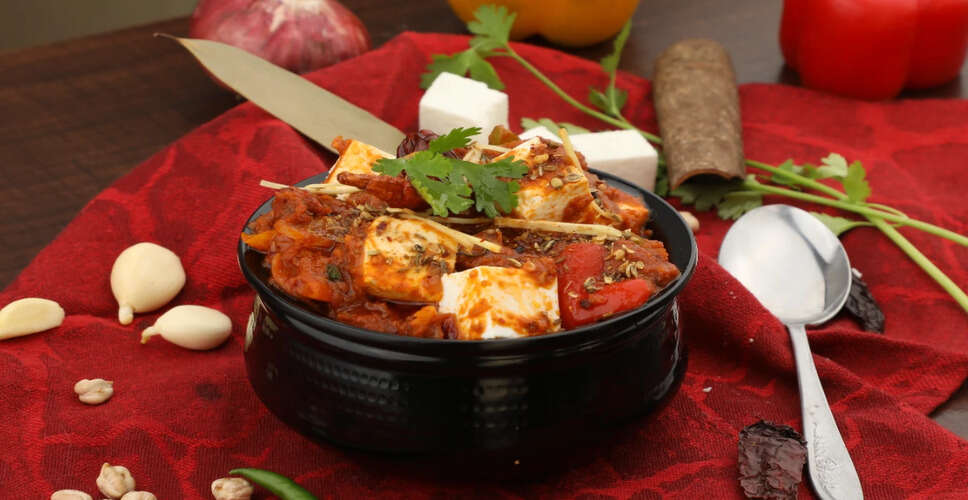
Following Chhattisgarh, Maharashtra has become the second state in India to impose a complete ban on the production, storage, sale, and distribution of 'Analog Paneer'. This initiative aims to safeguard public health and prevent misleading labeling of food products. According to the Maharashtra Food and Drug Administration (FDA), there have been numerous complaints about cheap, adulterated non-dairy paneer being sold under the guise of authentic dairy paneer in restaurants and food outlets, which is a clear violation of the Food Safety and Standards Act, 2006.
Understanding Analog Paneer
Analog paneer serves as a cheaper alternative to traditional dairy paneer. While authentic paneer is made by curdling fresh milk, analog paneer is produced using a blend of vegetable fats (like palm oil), milk solids or milk powder, starch, and emulsifiers. This processing allows it to mimic the appearance, taste, and texture of real paneer. Although selling it with proper labeling is legal under Indian food regulations, marketing it as genuine paneer is entirely illegal.
Reasons Behind the Ban
The Maharashtra FDA emphasizes that the concern extends beyond the product itself; it also involves the misleading sale of analog paneer as real dairy paneer, which confuses consumers and violates the Food Safety and Standards Act, 2006. Officials have warned that violators could face imprisonment and fines depending on the severity of the offense.
Differences Between Analog and Traditional Paneer
Health advocate and author Revant Himmat Singhka notes that analog paneer often contains vegetable oil and starch, whereas traditional paneer is primarily made from milk solids. He also points out that analog paneer typically has significantly lower levels of natural nutrients found in dairy paneer, such as protein and vitamin B12. Nutritionist Bhavesh Gupta shares similar concerns, explaining that analog paneer is usually made by mixing milk powder with palm oil, distinguishing it from traditional dairy paneer. Furthermore, he mentions that analog paneer may contain higher levels of saturated fat and lacks adequate amounts of calcium, phosphorus, and vitamin B12.
Identifying Analog Paneer
Experts suggest three methods for consumers to identify analog paneer. First, carefully reading the label is crucial. Traditional paneer typically lists milk solids and citric acid, while analog paneer may include ingredients like vegetable oil, palm oil, starch, and may be labeled as analog paneer. Second, conducting an iodine test can help detect starch; if the paneer turns blue upon adding iodine solution, it indicates the presence of starch, suggesting it may be analog paneer. Lastly, consumers should observe the texture and price, as analog paneer is often unusually cheap, rubbery, and tougher to chew compared to regular paneer. However, these characteristics alone cannot definitively confirm whether a product is analog paneer.
Are Home Tests Reliable?
While these methods have been shared by health creators online, they should not be considered substitutes for proper laboratory tests. For instance, checking the label when purchasing packaged products is the most reliable approach. The iodine test may indicate starch presence, but it cannot conclusively determine if a product is analog paneer. Additionally, the viral video suggesting a dal/urea test has not been endorsed by the FSSAI as a standard consumer test, and its accuracy in identifying analog paneer remains unproven.
Is Analog Paneer Unsafe?
Experts assert that if analog paneer is produced hygienically and labeled correctly, it does not necessarily pose a health risk. However, issues arise when consumers mistakenly believe they are purchasing dairy paneer, when products are made in unsanitary conditions, or when substitute products are sold without prior information. The nutritional content may also not meet consumer expectations.
Recommendations for Consumers
Experts advise consumers to buy paneer from trusted manufacturers or dairy shops, carefully check the ingredients, be cautious of extremely cheap paneer products, and ideally make paneer at home using fresh milk. These strategies help maintain balance, fairness, and accuracy in the narrative surrounding the ban imposed in Maharashtra.