
Maharashtra ATS Interrogates 66 Individuals Linked to Pakistani Gangster

Maharashtra ATS Launches Investigation
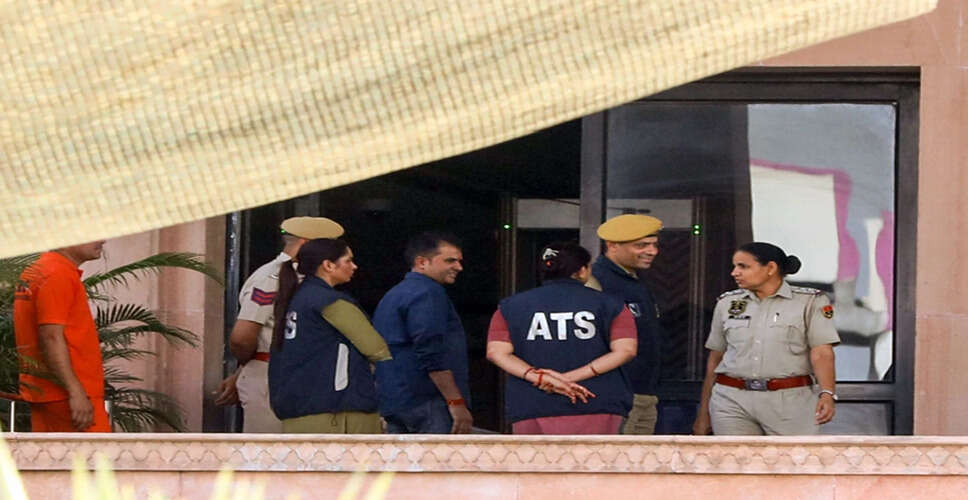
On Tuesday, the Maharashtra Anti-Terrorism Squad (ATS) initiated questioning of 66 individuals in Pune district who were reportedly in contact with Pakistani gangster Shahzad Bhatti. This operation is being conducted in collaboration with the Pune City Police Commissionerate, Pune Rural Police, and Pimpri-Chinchwad Police Commissionerate at various locations. According to a press release, the questioning commenced at 7:00 AM. This action was prompted by suspicions that Bhatti was using social media platforms to incite youth into participating in anti-national activities.
Previous Operations and Findings
The Maharashtra ATS had previously launched a statewide operation on July 10, during which they began interrogating 102 individuals suspected of being in contact with Bhatti via social media. This operation involved 58 ATS teams from 14 regional units across Maharashtra. The ATS indicated that initial investigations and information from various agencies suggest that Bhatti and his associates utilized multiple or fake accounts on platforms like Facebook, Instagram, Telegram, and WhatsApp to connect with Indian youth.
Allegations Against the Network
The agency alleges that this network exploited religious and socially sensitive issues to incite discontent and radicalize youth. It also claimed that unemployed and economically disadvantaged individuals were lured with financial incentives to engage in anti-national and anti-social activities. Investigators suspect that this network may have been involved in creating sleeper cells or local agents to gather confidential information, assist in drug trafficking, smuggle illegal weapons, and conduct activities that pose a threat to national security.