
Madhya Pradesh Government Takes Action After Contaminated Water Deaths in Indore
Government Response to Water Contamination Tragedy
On Friday, the Madhya Pradesh administration dismissed Indore’s municipal commissioner and suspended two other officials following the tragic deaths of at least ten individuals due to contaminated drinking water in the city.
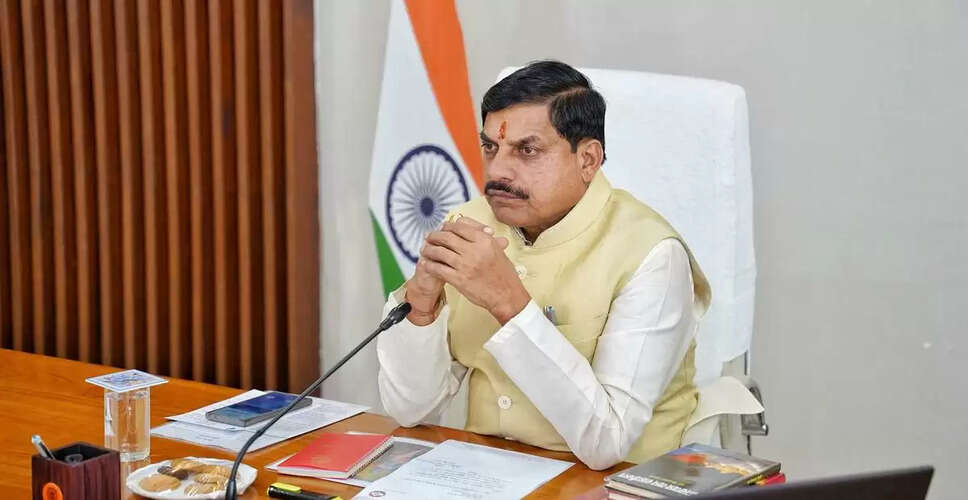
Chief Minister Mohan Yadav expressed on social media that the government would not overlook negligence related to this incident and emphasized that appropriate actions were being taken.
The officials affected include Municipal Commissioner Dilip Kumar Yadav, Additional Municipal Commissioner Rohit Sissoniya, and Sanjeev Shrivastava, the superintendent engineer overseeing the Public Health Engineering department.
Reports indicate that over 1,400 individuals experienced symptoms such as vomiting, diarrhea, and dehydration in the Bhagirathpura area, with the first cases emerging on December 24. Residents had previously reported an unusual odor in the water supplied to them.
Additionally, more than 200 individuals were hospitalized due to the outbreak.
Mayor Pushyamitra Bhargava confirmed receiving reports of ten fatalities linked to the contaminated water. However, local residents claim that the death toll may be as high as 14, including an infant.
Chief Medical and Health Officer Madhav Prasad Hasani stated that laboratory tests from a local medical college confirmed contamination in the drinking water, attributed to a pipeline leak.
Authorities had previously identified a leak in the main water supply pipeline, which was located beneath a toilet, potentially leading to the contamination.
During a review meeting on Friday, Yadav announced a compensation of Rs 2 lakh for the families of the deceased.
The Madhya Pradesh High Court has mandated the municipal corporation to provide additional water tankers and urged the authorities to maintain the city's cleanliness.
A bench of Justices Dwarkadhish Bansal and Rajendra Kumar Vani was addressing a public interest litigation concerning the deaths, instructing the municipal corporation and state government to ensure a regular supply of clean water and treatment for those affected.
The state government informed the court that the outbreak was under control, with ongoing monitoring to prevent further incidents, as reported by a news outlet.
A 40-page status report submitted to the court indicated that an order had been issued for all private hospitals to provide free treatment to those impacted.
Political Reactions to the Incident
The incident has sparked criticism from both the ruling Bharatiya Janata Party and the opposition.
Former Chief Minister and BJP leader Uma Bharti described the situation as a disgrace for the state government and a significant test for Yadav’s leadership.
She stated, “The deaths caused by contaminated water in Indore by the end of 2025 have shamed our state and government.” Bharti emphasized that the compensation offered does not equate to the value of life, urging for accountability and maximum punishment for those responsible.
Bharti further criticized the governance in Madhya Pradesh, asserting that all accountable parties should face justice.
Congress leader Rahul Gandhi also questioned the BJP government regarding the fatalities, highlighting Prime Minister Narendra Modi's silence on the issue of poor individuals dying.
He labeled the state as an “epicenter of misgovernance” and questioned why authorities ignored residents' complaints about the contaminated water.