
M3M India: Pioneering Social Equity in National Development
Redefining Nation-Building in the 21st Century
In the modern era, the concept of nation-building transcends mere infrastructure and economic metrics. It is increasingly about how inclusively a nation empowers its citizens, particularly those who are underserved, by providing access to education, opportunities, and dignity. India's narrative of growth is no longer limited to urban centers or corporate boardrooms; it is deeply embedded in local communities, fueled by a combination of innovation, scale, and social equity. A new developmental model is emerging, one that harmonizes economic aspirations with grassroots inclusion, ensuring that prosperity is widely shared rather than concentrated.
This shift in perspective is driven by the recognition that sustainable change is a collective effort. It necessitates strategic partnerships among the government, civil society, and the private sector. The role of businesses has evolved from mere corporate responsibility to a shared commitment to national development. Corporate India is increasingly becoming a co-architect of social transformation, focusing on enhancing educational outcomes, developing future-ready skills, and bolstering food security and disaster resilience.
The Role of Private Sector in Social Transformation
At the heart of this transformation is the understanding that enduring progress cannot occur in isolation. It requires joint ownership among government, civil society, and businesses. The private sector has transitioned from being a passive participant to an active collaborator in tackling some of the nation's most pressing challenges. Companies are taking on responsibilities in areas such as skill development, healthcare, crisis relief, and education, viewing these efforts not as acts of charity but as a shared mission to build a stronger India.
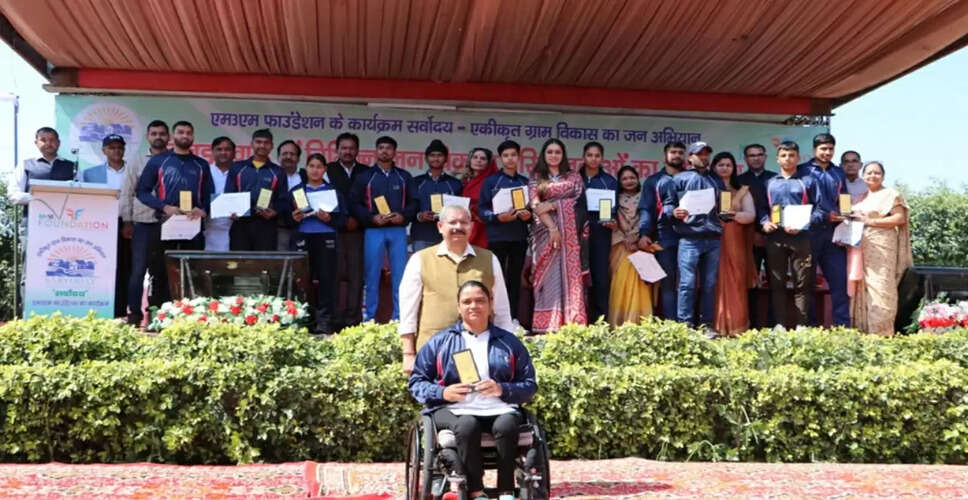
Leading this charge is M3M India, the largest non-listed real estate developer in the country, which is making significant strides through its philanthropic initiative, the M3M Foundation. With a presence in 22 states, 3 Union Territories, 85 districts, and over 870 villages, the Foundation has positively impacted 4.8 million lives. Its initiatives range from facilitating first-time school enrollments for girls to providing job training for rural youth and ensuring access to clean water for farmers, fostering grassroots change in states like Haryana, Uttar Pradesh, Himachal Pradesh, Bihar, Gujarat, and Odisha.
A Systems-Focused Approach to Community Development
What sets the M3M Foundation apart is its systems-oriented, partnership-driven approach. Supported by a network of over 40 collaborations with civil society organizations and government entities, it operates in the realms of education, skill development, healthcare, and community enhancement. This initiative is not merely about short-term charity; it aims to strengthen the very fabric of communities in alignment with India's priorities and the United Nations Sustainable Development Goals.
Pankaj Bansal, Director of M3M India, emphasized, "Our belief is straightforward—true development must empower individuals, not just construct infrastructure. We have ingrained this philosophy into our core, aligning our infrastructure projects with inclusive outcomes and long-term community resilience."
Tangible Impact and Long-Term Vision
The results of these efforts are evident: over 600,000 students have received support, 1,000 academic scholarships have been awarded to promising youth from underprivileged backgrounds, and 21 million meals have been distributed during crises such as the COVID-19 pandemic and natural disasters. This strategy prioritizes resilience over mere relief.
Moreover, the Foundation is committed to long-term capacity building by establishing schools, training centers, health programs, and local partnerships designed to endure beyond initial interventions. This approach is rooted in continuity and community ownership, ensuring that progress is sustainable and not just a fleeting moment.
The Essence of Meaningful Corporate Citizenship
This is the essence of contemporary corporate citizenship—purposeful, strategic, and centered on people. It embodies the belief that business success must align with social equity. As India embarks on its journey toward becoming a $5 trillion economy, the contributions of organizations like M3M India are crucial, not only as drivers of growth but also as architects of a more inclusive future.
When corporate objectives align with national progress, the impact transcends financial statements. It enriches lives, uplifts communities, and fortifies the foundation of a more equitable India.