
Lok Sabha Passes Key Amendment to Speed Up Insolvency Proceedings
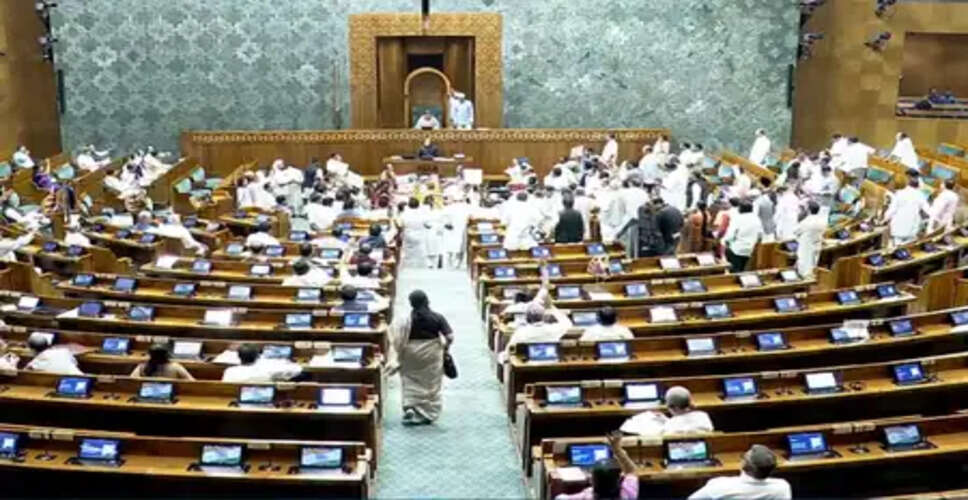
Lok Sabha Approves Insolvency and Bankruptcy Code Amendment
New Delhi: On Monday, the Lok Sabha gave its nod to the Insolvency and Bankruptcy Code (Amendment) Bill, which is designed to expedite insolvency processes for companies that default on payments.
This legislation mandates a strict 14-day period for the acceptance of insolvency applications once a company's default is confirmed.
Finance Minister Nirmala Sitharaman highlighted that the government has introduced 12 amendments to enhance the insolvency resolution framework.
She pointed out that prolonged litigation is a significant cause of delays in the IBC process, and the new Bill includes penalties to deter misuse of the system.
The discussion on the Bill, initiated by Finance Minister Sitharaman, took place on March 27. Initially, the Bill was sent to a Select Committee for review, aiming to tackle the slow resolution of insolvency cases for both companies and individuals.
Sitharaman emphasized in the Lok Sabha that the IBC has been instrumental in bolstering the banking sector's stability, clarifying that it was never meant to serve solely as a debt recovery mechanism.
While presenting the Bill, she noted that the IBC has fostered improved credit discipline and enhanced the credit profiles of businesses.
The minister remarked that companies have shown significant improvement in their governance practices after undergoing the insolvency resolution process.
In her response regarding the Insolvency and Bankruptcy Code (Amendment) Bill, 2025, as reviewed by the Select Committee, Sitharaman stated, 'The IBC, effective since 2016, has been pivotal in enhancing the overall health of the Indian banking sector.' She added that the framework has also enabled companies to achieve better credit ratings over time.
Moreover, she reiterated that the law's primary aim is to resolve distressed assets rather than just recover debts. 'The IBC serves as a mechanism for rescuing viable businesses and addressing financial distress while maintaining enterprise value. It was never intended to be a tool for debt recovery,' she clarified.