
Legal Expert Seeks Clarity on Supreme Court's Definition of Aravalli Hills
Request for Reconsideration of Aravalli Hills Definition
Senior advocate Hiten Gandhi has reached out to the Chief Justice of India, urging a review or clarification of the Supreme Court's recent ruling regarding the definition of the Aravalli hills. He argues that a definition based solely on elevation could undermine environmental protection efforts in northwestern India.
Supreme Court's Significant Ruling
On November 20, 2025, the Supreme Court issued a pivotal order in the case concerning the definition of the Aravalli Hills and Ranges. This ruling recognized the Aravalli region as an ecologically sensitive natural slope. Advocate Gandhi welcomed this decision, noting that the court's directives for a comprehensive management plan for sustainable mining, a temporary halt on new mining leases, and emphasis on cumulative impacts and carrying capacity represent a positive initiative.
Concerns Over Functional Definition
Despite his approval, Gandhi expressed concerns regarding the functional definition adopted by the court. According to the current information, the Supreme Court's order identifies landforms as Aravalli hills based on a local elevation of 100 meters or more above the surrounding area. Gandhi contends that such a narrow definition could exclude significant portions of the Aravalli from protection, even though they are ecologically vital.
Ecological Importance of Aravalli Range
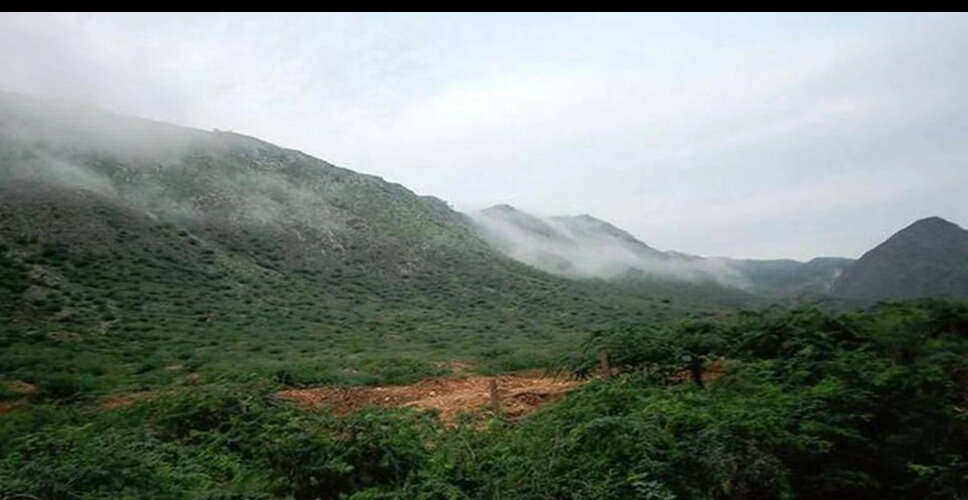
The Aravalli mountain range is considered one of the oldest mountain ranges in the world, having eroded significantly over time. Gandhi emphasized that its ecological role is not limited to high peaks. Lower hills, rocky outcrops, slopes, recharge areas, and interconnected terrains also play crucial roles in groundwater conservation, dust control, preventing desertification, maintaining biodiversity, and balancing the microclimate of the Delhi-NCR region.
Potential Risks of a Limited Definition
He warned that in India, environmental protection is often tied to legal classifications and land records. A narrowly defined scope could create 'grey zones' where mining, construction, and land use changes become difficult to regulate, leading to potentially irreparable damage.
Air Quality Concerns in Delhi-NCR
The letter also highlighted the severe air quality issues in Delhi-NCR. Gandhi pointed out that the vegetation and shrubland of the Aravalli act as natural barriers against dust flow and help control pollutant particles. Excluding these areas from protection could exacerbate problems like air pollution, groundwater crises, extreme heat, and fragmentation of wildlife corridors.
Constitutional Basis for Environmental Rights
From a constitutional perspective, he referenced the right to a healthy environment under Article 21, along with the obligations for environmental protection outlined in Articles 48A and 51A(g). He also invoked established environmental principles such as the precautionary principle, public trust doctrine, sustainable development, and intergenerational equity.
Recommendations for a Multi-Criteria Approach
Gandhi requested the Chief Justice to present this matter before an appropriate bench for consideration of amendments or clarifications to the definition. His suggestions included adopting a multi-criteria approach instead of relying solely on height, incorporating geomorphological, hydrogeological, and ecological aspects, ensuring public scrutiny of the data and maps used, and maintaining protection for areas linked to the final management plan.
A Call for Effective Conservation
The advocate clarified that this presentation was made entirely in the public interest and with respect for the court, aiming to ensure that the Supreme Court's intent regarding the conservation of the Aravalli is effectively and meaningfully realized at the ground level.