
Lebanon and Israel Engage in Direct Talks to Extend Ceasefire and Discuss Future Relations

Direct Negotiations Between Lebanon and Israel
On Thursday, Lebanon and Israel are scheduled to conduct a second round of direct discussions in Washington, aimed at prolonging the ceasefire between Israel and Hezbollah, while also establishing a framework for future negotiations between the historically adversarial nations. This meeting will see Lebanese Ambassador to the US, Nada Hamadeh Moawad, and her Israeli counterpart, Yechiel Leiter, convene for the second time, following their initial talks in three decades just days prior.
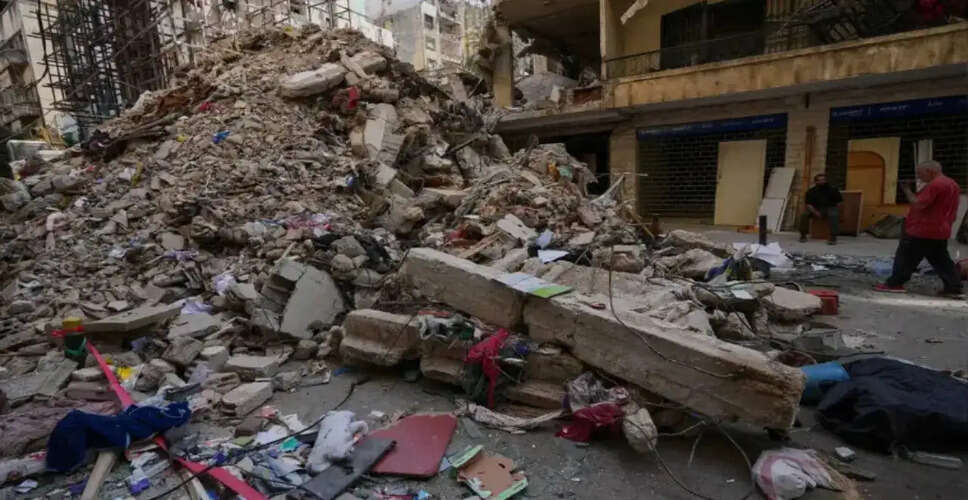
Lebanon's President, Joseph Aoun, announced on Wednesday that efforts are underway to extend the 10-day ceasefire that commenced last Friday. During the upcoming meeting, Hamadeh is expected to propose an extension of the ceasefire and advocate for an end to the ongoing demolitions of homes in areas occupied by Israel since the recent conflict erupted on March 2.
Preparations are also in progress for broader negotiations between the two nations. The future discussions aim to achieve a complete cessation of Israeli military actions, the withdrawal of Israeli forces from Lebanon, the release of Lebanese detainees in Israel, the deployment of Lebanese troops along the border, and the initiation of reconstruction efforts, as stated by Aoun.
Israeli Foreign Minister Gideon Saar urged Lebanon to collaborate with Israel to disarm Hezbollah before the negotiations in Washington. He remarked, “We don't have any serious disagreements with Lebanon. There are a few minor border disputes that can be resolved.” Saar characterized Lebanon as a “failed state” and identified Hezbollah as the primary barrier to peace and normalization between the two countries, suggesting that Lebanon could achieve sovereignty and independence from Iranian influence.
The recent conflict ignited when Hezbollah launched rockets into northern Israel, shortly after Israel and the US conducted strikes on Iran. In retaliation, Israel executed extensive bombardments across Lebanon and initiated a ground invasion, capturing numerous towns and villages along the border. Currently, Israel maintains a military presence in a buffer zone extending up to 10 kilometers into southern Lebanon, aiming to mitigate the threat posed by short-range rockets and anti-tank missiles directed at northern Israel.
Despite Hezbollah's firm opposition, these discussions represent a significant advancement for two nations lacking diplomatic relations and officially at war since Israel's establishment in 1948. The Lebanese government is optimistic that these talks could lead to a lasting resolution to the conflict. While Iran has stipulated the cessation of wars in Lebanon and the region as a prerequisite for negotiations with the US, Lebanon insists on its right to self-representation.
Wafiq Safa, a senior member of Hezbollah's political council, stated that the group will not adhere to any agreements reached during these direct talks, which it opposes. Since the ceasefire was enacted last week, both sides have reported multiple violations. The recent Israel-Hezbollah conflict resulted in approximately 2,300 fatalities in Lebanon, including many women and children, and displaced over a million individuals. Last week's discussions marked the first direct engagement between Israel and Lebanon since 1993, with both countries previously relying on indirect communication facilitated by the US or UNIFIL, the United Nations peacekeeping force in southern Lebanon. Following Hezbollah's rocket attacks on March 2, which were in solidarity with Iran, Lebanon's top political leaders quickly proposed direct talks to de-escalate tensions, hoping to prevent an Israeli ground invasion.