
Last-Minute Ceasefire Between Iran and the US: A Global Sigh of Relief
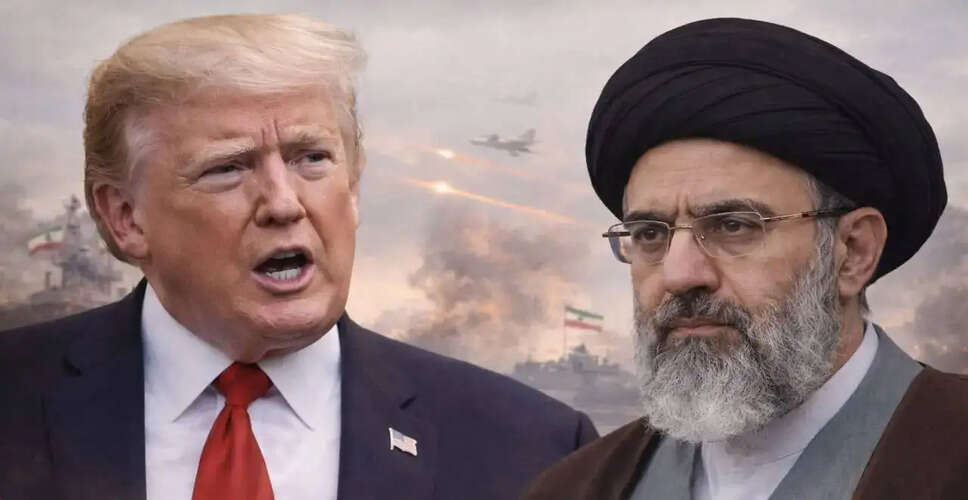

A Tense Standoff Ends
In a dramatic turn of events, a ceasefire was reached just 90 minutes before a severe ultimatum from Donald Trump was set to expire. This agreement came after weeks of heightened tensions between Iran and the United States, allowing the world to breathe a sigh of relief. According to reports, the breakthrough was facilitated by Iran's new Supreme Leader, Mojtaba Khamenei, who signaled his negotiators to pursue a resolution, marking a significant shift since the conflict began.
Iran's foreign minister announced that the two-week ceasefire would ensure safe passage through the vital Strait of Hormuz, a crucial route for global oil and gas supplies. Abbas Araghchi stated that transit would proceed in coordination with Iran's military forces, considering technical constraints.
The White House welcomed the ceasefire, with Press Secretary Karoline Leavitt calling it a 'victory' for the US, attributing the diplomatic progress to military pressure. Financial markets reacted positively, with global stocks rising on the prospect of easing tensions that had been unsettling the world economy.
While Trump issued alarming warnings, behind the scenes, intense diplomatic negotiations were taking place. US military forces were preparing for a potential bombing campaign against Iranian targets, while Pentagon officials were analyzing Trump's next steps. Regional allies were on high alert, fearing possible Iranian retaliation.
On Monday, as Trump participated in a White House Easter event, US Middle East envoy Steve Witkoff was engaged in urgent discussions. He described Iran's counterproposal as 'a disaster' and urged for revisions. This led to a flurry of negotiations, with Pakistani mediators facilitating communication between Witkoff and Araghchi, while Egyptian and Turkish officials worked to resolve key issues.
By late Monday, the US had approved a revised ceasefire proposal, pending Khamenei's approval. Despite facing threats from Israel, Khamenei communicated through intermediaries, and his eventual endorsement was pivotal. Araghchi played a vital role in guiding the negotiations and convincing Iran's Revolutionary Guard to accept the terms, with China also encouraging Tehran to seek a resolution.
As the situation evolved, Trump continued to escalate his rhetoric, warning of dire consequences. However, negotiators remained optimistic about the talks. Vice President JD Vance was involved in discussions from Hungary, while Israeli Prime Minister Benjamin Netanyahu maintained close contact with Washington, concerned about Israel's diminishing influence.
By Tuesday, it became clear that an agreement was imminent. Pakistani Prime Minister Shehbaz Sharif publicly shared the ceasefire framework, urging both parties to comply. Shortly after, Trump announced on social media that he would suspend military actions against Iran for two weeks. He then communicated directly with Pakistan's Field Marshal Asim Munir to finalize the deal. Following Trump's announcement, US forces were ordered to stand down, and Araghchi confirmed Iran's commitment to the ceasefire. For the moment, the guns have fallen silent, leaving the world to ponder the next steps.