
Last-Minute Cancellation of U.S.-Iran Talks Amid Escalating Tensions

Unexpected Turn of Events
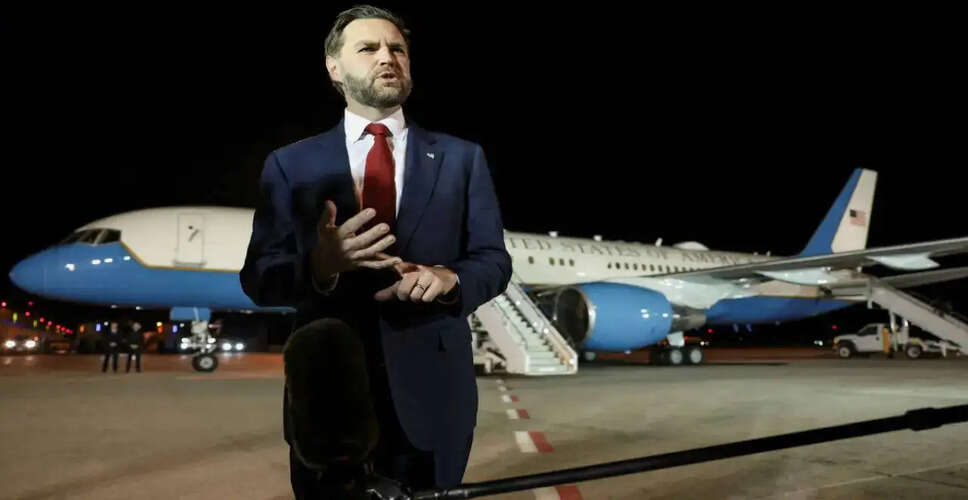
Everything was set for a significant diplomatic meeting. A plane was fully fueled and stationed on the runway in Maryland, while a resort in Switzerland was prepared for the gathering. Journalists were already en route to cover the event. However, at the last moment, plans fell through. Vice President JD Vance was supposed to lead a U.S. delegation to Lucerne, Switzerland, where he was scheduled to engage with Iranian representatives and mediators from Pakistan and Qatar. Ultimately, he did not board the flight.
According to U.S. officials referenced by a major news outlet, figures within the Iranian regime expressed increasing dissatisfaction with the violent clashes that erupted between Israel and Hezbollah, the Iran-supported militant group in Lebanon. This discontent, officials noted, hindered Tehran's willingness to participate in the discussions.
Reports indicated that Iran sought assurances that hostilities in Lebanon would cease before proceeding with negotiations. Tehran is currently collaborating with mediators to determine how to restructure the talks.
Lebanon Conflict Complicates Negotiations
The Lebanon Conflict at the Center of It All
The timing of the situation could not have been more critical. Although Israel and Hezbollah agreed to a ceasefire effective Friday afternoon, as confirmed by both U.S. and Israeli officials, tensions remained high. A senior U.S. official informed a major news outlet that confrontations persisted even after the ceasefire was supposed to take effect.
Moreover, Lebanese authorities reported that Friday marked the second deadliest day of Israeli airstrikes throughout the ongoing conflict. Iran's foreign ministry placed the blame on the United States, asserting that Washington was responsible for Israel's actions in Lebanon.
Political Reactions and Pressure Mounts
Trump Weighs In, Pressure Builds on Netanyahu
Former President Trump stated in an interview that he personally urged Israel to accept the ceasefire in Lebanon. He has previously indicated that he believes he has considerable influence over Israeli decisions, claiming, "They do as I say." Meanwhile, Israeli Prime Minister Benjamin Netanyahu is under pressure from hardliners within Israel who are advocating for a more aggressive stance in Lebanon rather than a withdrawal.
Trump's Response to the Postponement
Trump Downplays the Setback
Trump appeared unfazed by the postponement of the talks. In a social media update, he characterized the delay as Iran's issue, not his. He stated, "We didn't meet out of desperation, Iran did. They are FINISHED! We'll play out the 60 days. They get no money, not ten cents!" This 60-day period refers to the timeline established in a memorandum signed earlier this month, which included reopening the Strait of Hormuz, lifting the U.S. blockade on Iranian ports, and pausing the broader conflict. Both nations are expected to utilize this time to negotiate the future of Iran's nuclear program, with Trump advocating for stringent restrictions.
Uncertain Future for Talks
A Fragile Path Forward
Vance was the first official to suggest that the summit might not take place. During a press briefing at the White House, he remarked, "Our plan is to go to Switzerland, I don't know exactly when," highlighting the complexities surrounding Iran's involvement. There had been a brief moment of optimism before the situation deteriorated. Iran's Supreme Leader, Mojtaba Khamenei, had recently expressed support for face-to-face discussions, although he clarified that this did not imply endorsement of the opposing side's views.
As Thursday evening approached in Switzerland, there was growing anticipation that Vance, along with envoys Steve Witkoff and Jared Kushner, would soon be en route. However, the White House later announced a postponement. A spokesperson stated, "The logistics of these negotiations have never been simple or predictable." It remains uncertain when or if the discussions will be rescheduled. With the 60-day window already ticking, any further delays could limit the time available to address complex issues, including Iran's nuclear ambitions, its support for allied militias, and its ballistic missile development.