
Landslides in Guwahati: A Growing Crisis Amid Urbanization
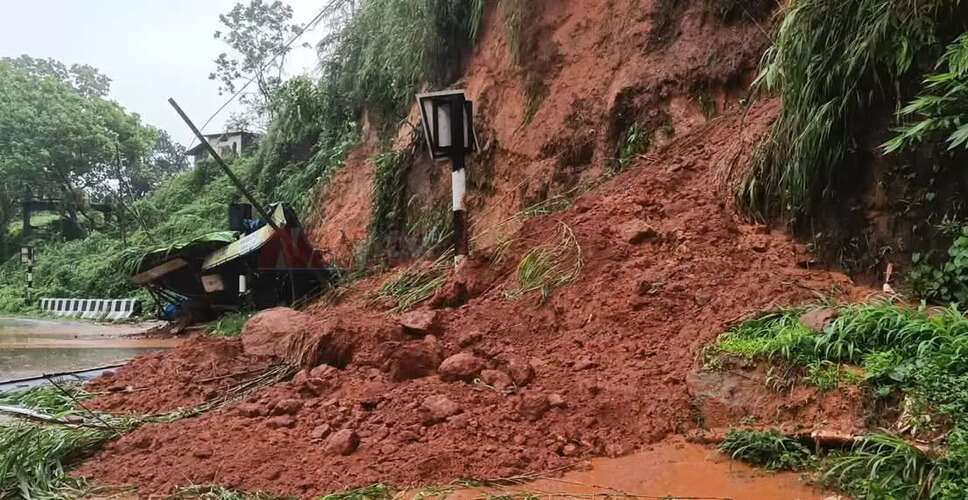
Tragic Landslides Claim Lives in Guwahati
Recent landslides in the hills surrounding Guwahati have resulted in the deaths of five individuals and left many others injured, occurring shortly after the onset of the monsoon season. The recurring landslides have become a significant issue for the region, with hills collapsing and homes being buried under rubble each year, leading to widespread devastation. This ongoing crisis is largely attributed to governmental negligence regarding illegal encroachments and the long-overdue need for soil conservation measures. The first recorded landslide in Guwahati dates back to 1972 at Nabagraha hill, with a noticeable rise in incidents since then. In the 1980s and 1990s, landslides were reported eight times per decade, but this number surged to 23 in the following decade. A report from the Assam State Disaster Management Authority highlighted that unscientific construction practices and slope alterations have steepened natural slopes to angles exceeding 60 degrees, particularly in areas with thicker soil. These human-induced activities are significant contributors to the landslide occurrences in the city. Additionally, the construction of retaining walls has often been done improperly, lacking necessary weep holes and featuring faulty infillings, exacerbating surface runoff and drainage issues during heavy rainfall. The disaster management authority has pinpointed 366 areas in the city that are particularly vulnerable to such disasters.
Urbanization and Environmental Degradation
The rapid urbanization of the Guwahati metropolitan area has led to extensive land cover loss, placing immense pressure on the urban forests and hilly landscapes. Encroachments in these hilly regions have proliferated unchecked, fueled by a lack of administrative action and political neglect. A recent study revealed a nearly 50% reduction in both dense and moderately dense forests, while non-forest areas expanded twelvefold between 1976 and 2018. This expansion has come at the expense of open and scrub forests. Currently, only 11% of the area remains as severely fragmented dense forests, with non-forest land use on the rise. Both protected and unprotected forests have experienced significant loss and fragmentation, with forest cover decreasing by 21.7% and 28.5%, respectively, and their patch sizes being halved. This reflects the dire condition of supposedly protected reserve forests in and around the city, which are often overcrowded with informal settlements inhabited by the urban poor. The study has identified critical areas that require urgent attention from urban planners and administrators. Despite numerous warnings from various studies, the responses from policymakers have been largely reactive rather than preventive. Efforts in soil conservation, eviction drives, afforestation projects, and public awareness campaigns have often been more about appearances than actual effectiveness. A troubling mix of short-term political interests, bureaucratic stagnation, and a lack of public accountability has led to this precarious situation. The hills are sending a clear message, and the calls for action are becoming increasingly urgent.