
Kuki-Zo Council Declares Non-Participation in Manipur Government Formation
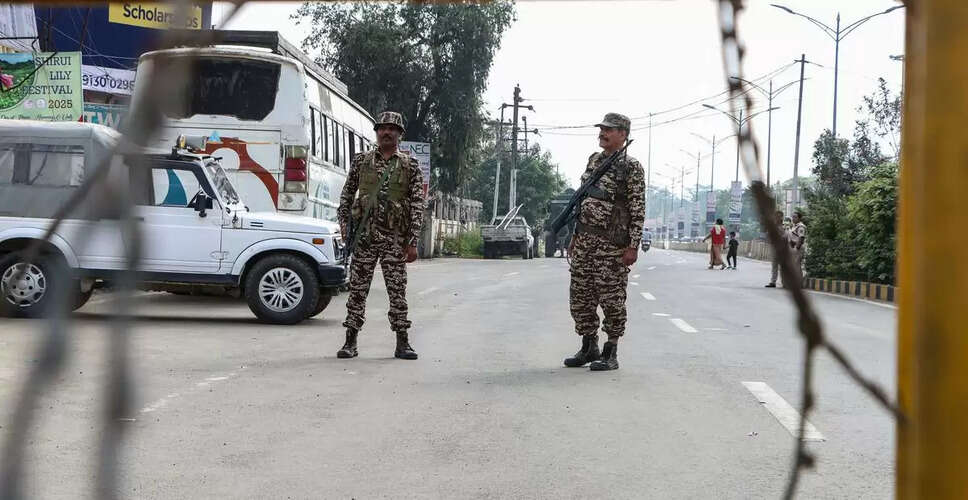
Kuki-Zo Community's Stance on Government Formation
On Tuesday, a coalition representing the Kuki tribes in Manipur announced that members of the Kuki-Zo community will not engage in the establishment of a new state government.
The Kuki-Zo Council's leadership reiterated their call for a separate Union Territory, a demand previously voiced by tribal organizations.
Since February 2025, Manipur has been under President’s Rule following the resignation of Bharatiya Janata Party leader N Biren Singh from the chief minister position.
Since the onset of ethnic violence in May 2023, which involved clashes between the Meitei and Kuki-Zo-Hmar communities, over 260 lives have been lost and more than 59,000 individuals have been displaced. Violence has sporadically escalated in 2024 and 2025.
Singh's resignation came amid accusations from Kuki-Zomi-Hmar groups that he had responded to the unrest in a biased manner, exacerbating majoritarian sentiments.
While the Meitei community is predominant in the valley, the Kukis hold a majority in the hill districts of the state.
Recently, BJP MLAs from Manipur were summoned to Delhi, sparking speculation regarding potential government formation in the state.
In light of the current situation, the Kuki-Zo Council stated that the governing body has reaffirmed its political demand for a separate administration, citing the prevailing sentiment that the Kuki-Zo people can no longer coexist with the Meitei community.
This decision was reached during a council meeting on December 30 and was publicly announced on Tuesday.
The Kuki-Zo Council's Cabinet also indicated that any community member who chooses to participate in government formation will do so at their own risk.
Additionally, the Committee on Tribal Unity, another Kuki organization, expressed support for the Kuki-Zo Council's resolution.
This group urged the Union government to refrain from imposing strict directives on the 10 MLAs from the Kuki-Zo community regarding political reconciliation with valley-based representatives until their political demands and security concerns are adequately addressed for lasting peace and stability in the region.