
King Charles III Highlights US-UK Alliance in Congressional Address

Strengthening Ties Between Nations
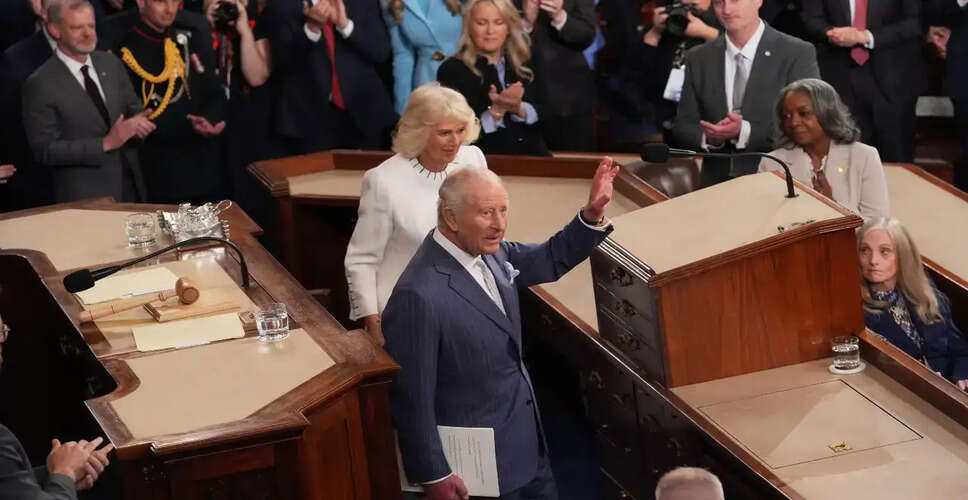
On April 28, King Charles III addressed a joint session of the U.S. Congress, emphasizing the enduring bond between the United States and the United Kingdom. He acknowledged the existing 'differences and disagreements' while celebrating the shared values that unite the two nations. Charles stated that both countries are dedicated to 'upholding democracy, safeguarding our citizens, and honoring those who risk their lives for our nations.'
He remarked, 'Our partnership, though born from disputes, remains robust. This suggests that our nations are inherently aligned, stemming from our common democratic, legal, and social traditions.' He also referenced Donald Trump's description of the US-UK relationship as 'irreplaceable and unbreakable.'
A pivotal moment in his speech was when Charles highlighted the historical importance of the Magna Carta, which has been referenced in over 160 U.S. Supreme Court cases since 1789, establishing the principle of checks and balances on executive power. This statement received enthusiastic applause from lawmakers, including members of the Republican Party.
The Magna Carta, a charter from 1215 that curtailed the power of King John of England, laid the groundwork for modern constitutional governance by introducing fundamental rights such as fair trial and protection against arbitrary detention.
However, the applause sparked criticism online, with some users mocking Republicans for their enthusiasm. One user commented on X, 'Clown ass republicans don't even realize what they are clapping for. Trump would be angry if he knew what the Magna Carta was.'
This moment occurred amidst ongoing scrutiny of Trump's actions, which have tested the boundaries of executive authority, often bypassing the need for congressional approval, while Republicans have largely refrained from holding him accountable.
Charles also addressed global instability, referencing conflicts from Europe to the Middle East and their repercussions on communities in both nations. He stated, 'We gather in times of great uncertainty, facing conflicts that present significant challenges to the international community and affect our own citizens.'
He condemned political violence, referencing a recent assassination attempt against Trump during a media dinner in Washington. 'We meet in the aftermath of an incident that sought to harm your nation's leadership and incite fear and discord. Let me be clear: such acts of violence will never prevail.'
King Charles Remembers UK’s Support After 9/11
In a heartfelt moment, Charles recalled the unity following the September 11 attacks, emphasizing how allies stood together through NATO. 'We answered the call together, as our people have done for over a century, side by side through two World Wars, the Cold War, Afghanistan, and other defining moments of our shared security.'
He stressed that the same 'unyielding resolve' is essential today to achieve 'a truly just and lasting peace' in Ukraine and to tackle challenges like climate change, particularly the alarming melting of the Arctic ice caps. Highlighting NATO's role, Charles stated, 'The commitment and expertise of the United States Armed Forces and its allies are central to NATO, dedicated to mutual defense, ensuring the safety of our citizens and interests against common threats.'