
King Charles III Addresses US Congress: A Call for Unity Amid Global Challenges

A Historic Address to Congress
During a significant address to a joint session of the US Congress, King Charles III blended history, humor, and diplomacy to commemorate the 250th anniversary of American independence. He highlighted the importance of the US-UK alliance, urging both nations to maintain a global perspective amid rising uncertainties.
In a moment that gained widespread attention, Charles made a light-hearted yet pointed comment aimed at Donald Trump, referencing the president's previous remarks about World War II. He quipped, “You recently commented, Mr. President, that if it were not for the United States, European countries would be speaking German. Dare I say that if it wasn’t for us, you’d be speaking French,” which resonated throughout the chamber.
#WATCH | King Charles III says, "You recently commented, Mr President (Donald Trump), that if it were not for the United States, European countries would be speaking German. Dare I say that if it wasn't for us, you'd be speaking French..."(Source: Unrestricted Pool via Reuters) pic.twitter.com/r2bUSI8VIG
— News Media (@NewsMedia) April 29, 2026
Emphasizing Alliance and Global Cooperation
A Speech Framed In Alliance And Subtle Signals
Beyond the humorous quip, Charles’ address conveyed a deeper message regarding the strength and necessity of the US-UK partnership. He asserted that this alliance is not solely based on historical ties but requires ongoing collaboration, cautioning that it “cannot rest on past achievements” in a world that is increasingly unpredictable.
The monarch also addressed current geopolitical issues, including the conflict in Iran and NATO tensions. While he refrained from directly criticizing US policies, his call for unity and “unyielding resolve” in supporting Ukraine subtly urged for continued Western solidarity.
Charles further emphasized themes that may not always align with current US policies, advocating for religious diversity and interfaith dialogue. He also called on leaders to acknowledge their shared duty to safeguard the environment, referring to nature as “our most precious and irreplaceable asset.”
Ceremony, Context And Political Undertones
Ceremony, Context And Political Undertones
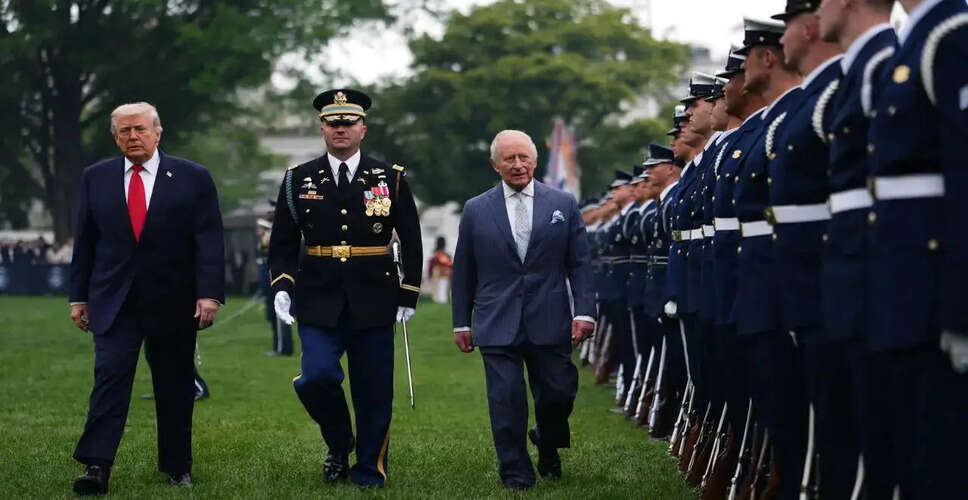
This address was part of a larger four-day state visit aimed at celebrating independence and mending transatlantic relations. Charles received a warm welcome at the White House, with Trump describing their meeting as “really good” and praising the king as a “fantastic person.”
Despite the friendly atmosphere, underlying tensions in US-UK relations were apparent. Disagreements over tariffs, NATO obligations, and the ongoing conflict in Iran have complicated the relationship between Washington and London recently. While Charles’ speech was formally non-political, it reflected these realities through carefully chosen references to diplomacy, stability, and shared responsibilities.
He acknowledged the shifting global landscape, stating that the current world is “more volatile and more dangerous” than before. This remark highlighted the urgency of his broader appeal for cooperation, even as domestic and international pressures reshape alliances.
The king’s address received multiple standing ovations from lawmakers across party lines, marking a rare moment of bipartisan support. While the WWII comment made headlines, it was the blend of symbolism, restraint, and subtle messaging that truly characterized the speech.