
Khelo India Tribal Games 2026: A Platform for Tribal Empowerment and Sports Development
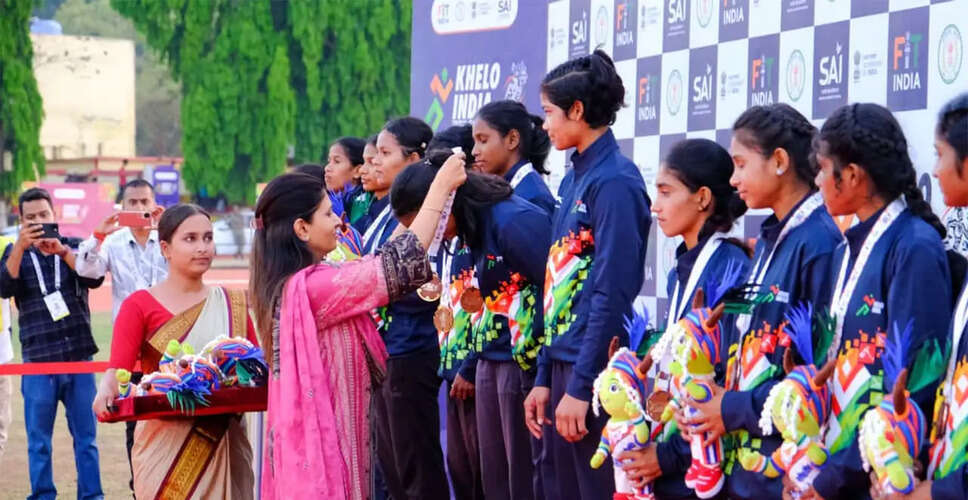
Union Minister Visits Khelo India Tribal Games
On Tuesday, Raksha Nikhil Khadse, the Union Minister of State for Youth Affairs and Sports, toured the venues for the inaugural Khelo India Tribal Games (KITG) 2026. This event is set to take place from March 25 to April 3, 2026, across Raipur, Jagdalpur, and Sarguja. Khadse emphasized that this initiative serves as a transformative platform aimed at empowering tribal communities, identifying grassroots talent, and fostering nation-building through sports.
Event Overview
The first edition of KITG is expected to attract approximately 3,800 participants, including athletes, coaches, and officials, competing in nine sports disciplines. This includes seven medal sports and two demonstration sports, with a total of 106 gold medals available. The event's mascot, 'Mor Veer', represents the courage and pride of over 700 tribal communities in India.
Sports as a Tool for Empowerment
During her address, Khadse highlighted that sports extend beyond competition; they are vital for empowerment, confidence building, and fostering national unity. She described the Khelo India Tribal Games as a social movement aimed at revitalizing India's sporting heritage, empowering tribal youth, and ensuring that every village has its own champion, as stated in a press release from the Sports Authority of India.
A Vision for the Future of Sports in India
Khadse referenced Prime Minister Narendra Modi's vision for India to rank among the top 10 sporting nations by the 2036 Olympics and to be in the top 5 by 'Viksit Bharat @ 2047'. She asserted that initiatives like KITG are essential for achieving this national goal.
Cultivating Grassroots Talent
Khadse noted that traditional sporting events such as the Bastar Olympics and Sarguja Olympics showcase the vibrant grassroots sports culture in tribal areas. The Games are designed to provide a structured pathway for identifying and nurturing this existing talent.
Emphasis on Women's Involvement
Khadse also underscored the Ministry's commitment to enhancing women's participation in sports. She mentioned the success of the ASMITA Leagues, which have facilitated the involvement of nearly 14,000 girls in sports like football and hockey, even in sensitive regions affected by Left Wing Extremism. Such initiatives are crucial for empowering women and expanding opportunities for girls from rural and tribal backgrounds.
From Grassroots to Podium
The Minister revealed that coaches from the Sports Authority of India will be present at all seven competition venues to scout for emerging talent during the Games. High-performing athletes will be integrated into the Khelo India framework, creating a direct pathway from grassroots to elite levels.
Honoring India's Sporting Heritage
Khadse emphasized India's rich sporting legacy, noting that tribal communities have historically excelled in traditional sports like archery (teerandazi). The Games aim to revive and celebrate this heritage that spans thousands of years.
Conclusion
Khadse expressed her appreciation for the enthusiastic participation at the venues, stating that the Khelo India Tribal Games represent a significant advancement in tribal empowerment, youth development, and national sporting excellence. The event concluded with interactions among athletes, coaches, and officials, along with a review of ongoing talent identification efforts at the competition sites.