
Key Changes in the Revised Income Tax Bill Passed by Lok Sabha
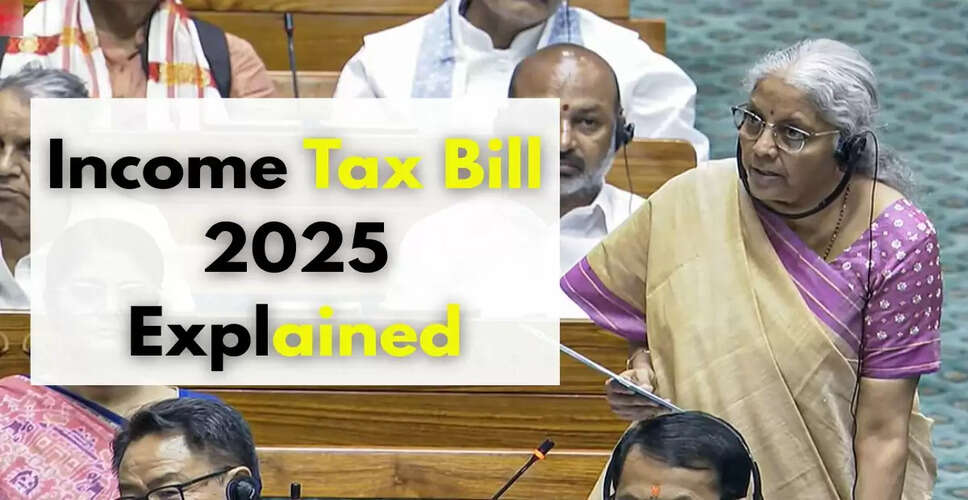
Lok Sabha Approves Revised Income Tax Bill
On August 12, the Lok Sabha approved the updated Income Tax (No.2) Bill, which includes major modifications from the initial draft presented on February 12. Finance Minister Nirmala Sitharaman introduced the bill, which will now be forwarded to the Rajya Sabha for further consideration before it can become law with the President's approval.
Enhanced Clarity and Flexibility
The revisions aim to provide clearer guidelines, reduce uncertainties, and align various provisions with the Income-tax Act of 1961. Notably, the new bill allows for refund claims even if returns are filed late and shortens the timeframe for submitting TDS correction statements from six years to two. These provisions will take effect in the upcoming fiscal year.
Streamlined Structure of the Bill
The revised bill consists of approximately 2.59 lakh words, a significant reduction from the 5.12 lakh words in the original Income Tax Act of 1961. The number of chapters has been cut down from 47 to 23, and the sections have decreased from 819 to 536.
Tax Benefits for Unified Pension Scheme Subscribers
The updated legislation introduces tax relief for subscribers of the Unified Pension Scheme (UPS). Under the National Pension System (NPS), individuals can withdraw up to 60% of their total pension corpus tax-free upon retirement, whether through regular, voluntary, or specific early retirement options.
Clarifications on Minimum Alternate Tax (MAT) and AMT
The previous draft combined MAT and AMT provisions into a single section, which could lead to confusion. The new bill rectifies previous ambiguities and allows for refunds even if returns are filed late. The Alternate Minimum Tax (AMT) will now apply solely to non-corporate taxpayers who have claimed specific deductions.
Easing Taxpayer Burdens
Previously, taxpayers could not claim certain expenses if TDS was deducted in the same year but paid after the income tax return deadline. The revised bill extends relief to payments made to non-residents, thus reducing compliance burdens and the risk of losing expense claims.
Broader Income Definitions
The February draft limited indirect transfer rules to capital gains. The new bill expands this to encompass all income deemed to accrue in India, aligning with the 1961 Act.
Mandatory Digital Payments for High-Revenue Professionals
For professionals and businesses with annual receipts exceeding ₹50 crore, the bill mandates the acceptance of specified electronic payment methods, such as BHIM UPI and RuPay debit cards, promoting the government's initiative for a cashless economy.
Reduced Filing Period for TDS Correction Statements
The current law allows deductors to file correction statements for up to six years. The new bill reduces this period to two years, aiming to minimize misuse, disputes, and unexpected tax demands on deductees.
Controversial Definition of 'Virtual Digital Space'
Similar to the earlier draft, the new bill introduces the concept of a 'tax year' starting from April 1 and retains the contentious definition of 'virtual digital space.' This grants tax authorities broader powers to request information during surveys and searches, including access to emails, social media, and digital platforms, even bypassing passwords if necessary.